
What Is Binder Jetting 3D Printing?
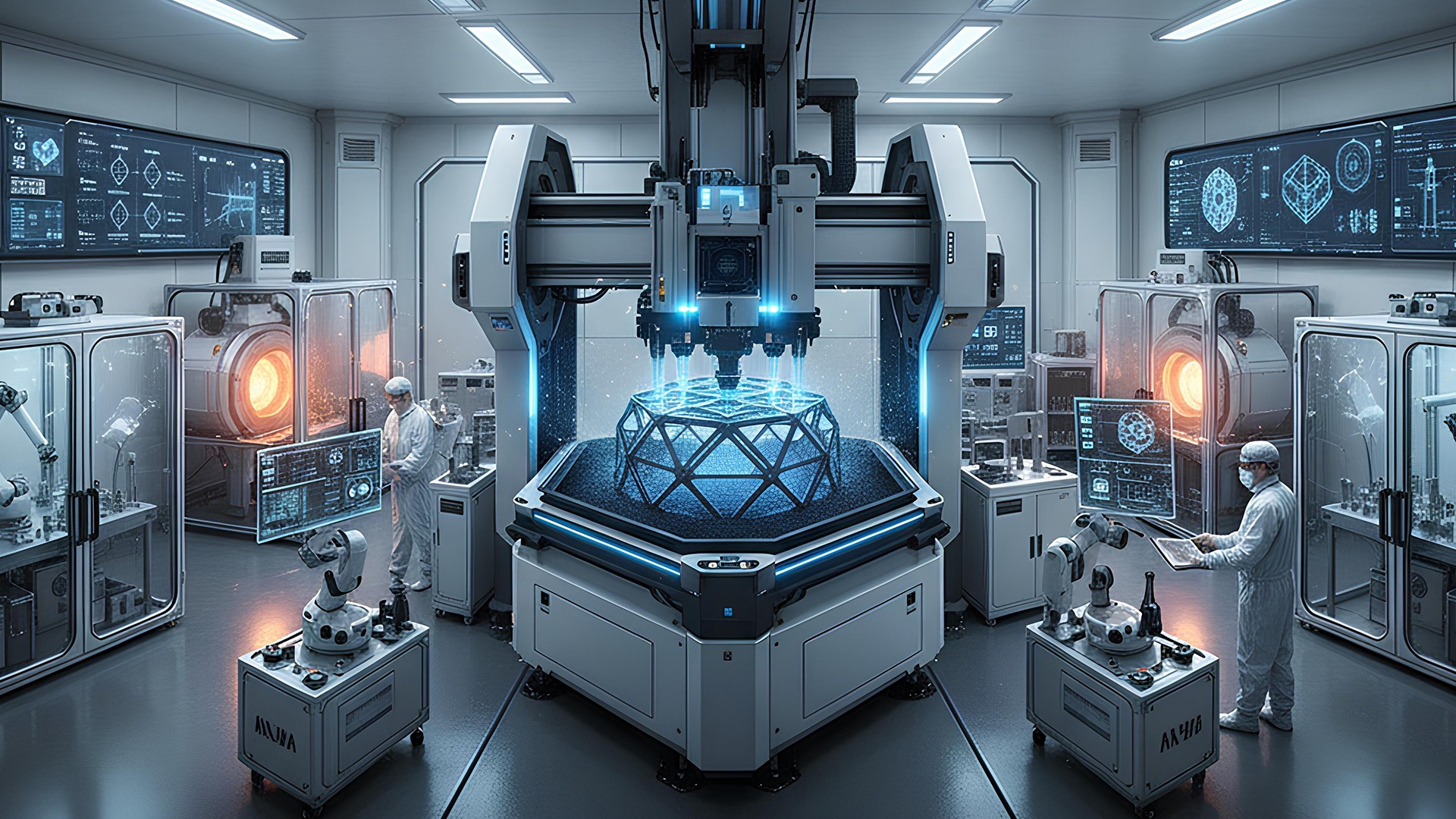
Binder jetting 3D printing is a new way of making things that uses a liquid binder to hold layers of powder together. This method makes parts one layer at a time with speed and accuracy. 3D printing with ceramics binder jetting makes it possible to make shapes that are hard to make with other methods. After printing, these parts are ready to be finished or sintered.
During the printing stage, binder jet 3D printing doesn’t use high heat like some other additive manufacturing methods do. This means it can work with a lot of different materials, like metals and ceramics. The end result is parts that are detailed and accurate and meet the needs of modern engineering.
Table of Contents:
What Binder Jetting 3D Printing Is
3D binder jetting uses a thin layer of powder spread over a build bed to start printing. A print head moves across the surface and puts down binder where it is needed. This liquid sticks the powder together at specific points to make a cross section of the part.
Once one layer is finished, the bed goes down and a new layer of powder is added. The print head keeps doing the same thing until the object is finished. After printing, the loose powder is brushed away, and the bound part is ready for post-processing.
What You Need For Binder Jet 3D Printing And Its Benefits
3D printing with ceramics binder jetting opens up new possibilities for businesses that need parts that can withstand heat and chemicals. Ceramics can hold their strength under stress and get fine details. This makes them perfect for making custom parts and prototypes.
Binder jet 3D printing can also work with metal powders, which makes it even more useful. It makes parts faster and often for less money than other metal methods. It is useful for small batch runs and complicated shapes because it is so efficient.
Using Binder Jet 3D Printing in Cars
3D printing in metal binder jetting is good for car parts because it is flexible. Engineers can make accurate prototypes of engine parts, brackets, and housings. The ability to print complicated shapes means that parts are lighter and work better.
Automotive designers also like that binder jet 3D printing speeds up the process of making new things. Rapid iteration lets teams quickly test out new ideas. This encourages new ideas while keeping costs low in markets where there is a lot of competition.
Problems and Future Possibilities
There are many benefits to binder jet 3D printing, but you need to be careful when you process it afterward. Parts often need to be sintered or infiltrated to get their full strength. These steps take longer, but they also improve the mechanical properties.
As technology gets better, binder jet 3D printing will become faster and easier to use. It will be able to reach more people with more material options and better printers. This flexible process will open up new doors for businesses in fields like aerospace and healthcare.
The Next Level of Making Things
Binder jet 3D printing is changing the way we make complicated parts for today’s needs. Its effects keep getting stronger, from ceramic 3D printing binder jetting to new ways to design cars with metal. If you’re ready to see what this technology can do for your next project, reach out to us and let’s build the future together.