
Is SLS 3D Printing A Good Fit For Durable End-Use parts?
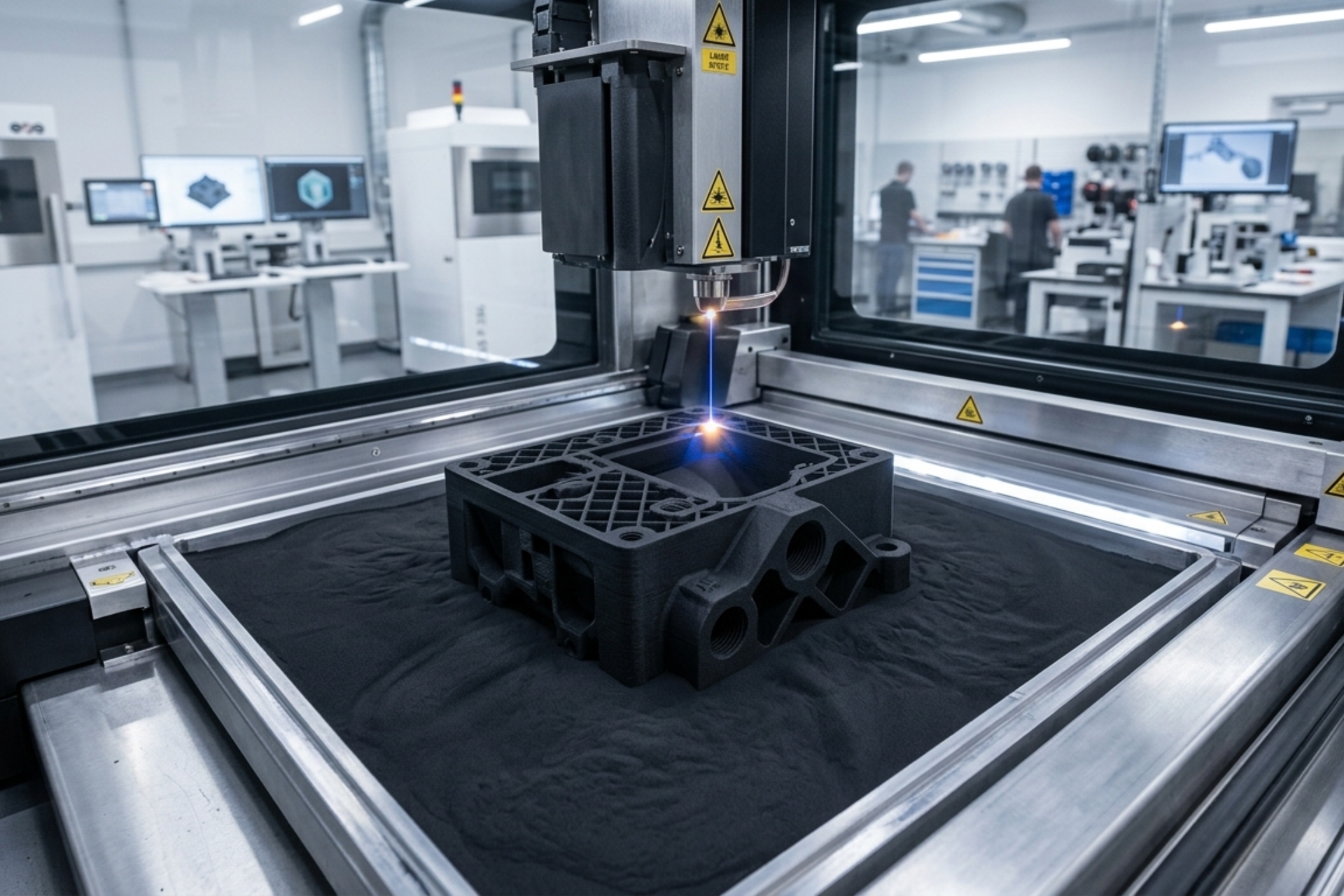
Once just for quick prototypes, Selective Laser Sintering now makes tough, working parts through 3D printing. Because sectors need quicker results, more personalization, and adaptable sourcing, SLS 3D Printing Service fills the gap from early models to small or medium runs. Still, does that mean it fits every final product job?
Table of Contents:
Material Properties Close to Injection Molding
Because heat fuses powder layer by layer, objects gain strength similar to those made through traditional molding methods. That toughness comes from robust powders like PA12 and PA11 – nylon-based substances built to endure stress. Some versions even include tiny strands of carbon or glass, adding stiffness without sacrificing flexibility. These blends handle real-world demands surprisingly well. Layer after layer builds up forms that work right out of the printer. Material depth plays a big role in how solid each piece turns out.
Heavy loads? Lightweight frames handle them well. Heat shows up, yet these stay stable under pressure. Chemical exposure happens – damage stays minimal thanks to tight molecular shields.
Built to handle stress, PA12 stands up well under repeated bending – perfect where strength matters, such as supports in cars or casings for gadgets. Toughness here doesn’t fade fast, even when flexed again and again.
Bent but not broken – that’s how PA11 handles stress, ideal for gear tossed around during workouts. Hinges that fold endlessly? This material keeps up without cracking.
Stiffness jumps up when carbon fiber mixes into nylon, also handling heat far better than usual. Great fit for drone bodies because they stay strong under pressure. Think car pieces that take a beating – they hold their shape even when things get intense.
With no need for supports during production, 3D Printing SLS handles complex shapes naturally. These strong materials hold up well even when shaped into detailed custom forms. Thanks to that strength in complicated designs, the process now does more than just make prototypes. Instead of staying limited to early testing models, it regularly produces small to medium runs of finished pieces. In fields demanding accuracy and high function, this approach delivers consistent results.
Surface Finish and Post-Processing Needs
Most pieces pulled straight from an SLS machine feel a bit gritty, thanks to how powdered material fuses together during printing. While that surface works fine inside machinery or hidden parts, it often falls short when touch matters – say, on items people handle daily or must resist grime, stickiness, or leaks. Still, appearance isn’t always the priority; function sometimes wins by default.
Because of this, finishing touches matter when turning SLS-made pieces into usable items. Blasting with media evens out roughness across the surface, whereas coloring soaks deep without hiding small features – something paint often ruins. On more advanced jobs, vapour smoothing melts the outside just enough to seal tiny holes, which improves looks along with defense against damp and dirt.
Practical Advantages of Sls for End-Use Production
When it comes to making real working parts, Selective Laser Sintering 3D Printing brings more than just strong materials or creative shapes. Instead of limiting what you can build, it opens up options most methods can’t match. Because the process skips many traditional steps, production moves faster without extra tools. On top of that, needing fewer supports means less waste after printing. While some techniques struggle with complexity, this one handles detailed geometry naturally. For runs small or mid-sized, it often makes sense both technically and logistically.
Most folks like SLS because it skips the fuss. While injection molding needs a new mold every time – locking you into one shape at a turn – SLS stacks various pieces together in a single run, provided they fit inside the chamber. Since everything prints at once, making unique parts, grouped items, or slightly changed versions becomes smooth, with zero added delays or charges.
Because SLS skips support structures entirely, designers avoid the extra steps of adding or taking them out. Without those supports, shapes can be more complex while surfaces stay smooth, free from the flaws typical with traditional methods.
Midnight runs become possible because SLS packs parts densely inside the chamber, no matter their form or angle. Shapes fit close together, like puzzle pieces left to print while nobody watches. Because it rarely needs pausing, one job flows into the next across days. Other methods demand constant checks, but this one keeps going on its own. Efficiency climbs when hands-off time stretches through nights and weekends.
Cost Efficiency
Money-wise, SLS makes a difference, especially next to old-school production ways. Instead of paying big for injection molds – costs that climb fast into many thousands of euros – new teams often hit a wall. Skip the mold entirely by using SLS 3D printing for actual working parts. Design moves straight into making things, no detours.
Because early builds change often, this approach works well. When only a few pieces are made, paying for heavy tooling feels pointless. Stuff fits tighter on the build plate, saving space. Leftover material isn’t tossed – it gets used again. Printing many items at once cuts average expense fast. Efficiency jumps when batches fill the chamber.
What stands out is how simple it is to operate, paired with strong output speed and low expenses. Each advantage feeds into the next, building a method that grows with demand. Firms needing tough, reliable components find it works well straight off. Traditional approaches often bring higher prices and inflexible setups – this doesn’t. Equipment runs steadily, demands little oversight, delivers consistent results. Over time, savings add up without sacrificing performance. The process stays steady under pressure, handles varied designs smoothly. Durability comes built in, right from the first print.
What About Disadvantages?
Though SLS brings strong benefits for making finished products, some drawbacks still linger when planning extended production runs. Industrial SLS systems carry high price tags – this often blocks smaller shops or low-volume operations from joining in. Handling powdered materials raises health risks; these tiny grains demand tight air quality rules, gear like masks, plus airflow management, which complicates how spaces must run. Limited chamber dimensions force larger pieces to be cut up, then later joined – a move that sometimes weakens strength while raising hands-on work hours. Fixing these issues isn’t something a quick fix can handle. Knowing what stands in the way helps figure out when SLS actually makes sense for real production work.
Conclusions
Parts made with 3D Printing Company and 3D Printing Service Available Online hold up well under stress, thanks to tough materials and smart layering. Enquire now to bring your 3D printing to live. Moving from test models to real items happens fast – no need to wait for tooling. Design changes stay flexible, since each piece forms directly from digital files. Batch runs go smoothly, even with complex shapes packed tightly together.
Though limited by surface texture and tool reach, benefits usually tip the scale. When matched to suitable tasks and grounded in practical goals, selective laser sintering becomes a capable path for producing strong, usable 3D components under everyday conditions.