
3D Printing in the Maritime Industry: A Comprehensive Guide
Fresh waves of change are hitting ships through 3D Printing Maritime Models. Machines that build part by part now shape life at sea.
3D printing technology has revolutionised verticals across discrete manufacturing industries, and the next sector commencing adopting additive at an increasing rate is Maritime Vessel Models.
For more than forty millennia, people have relied on the ocean. Today, firms look to additive manufacturing – not just to cut expenses but also to boost how quickly parts are made. Better function matters too, along with longer-lasting designs across watercraft of every kind – whether it is a small board riding waves or a large ship crossing seas.
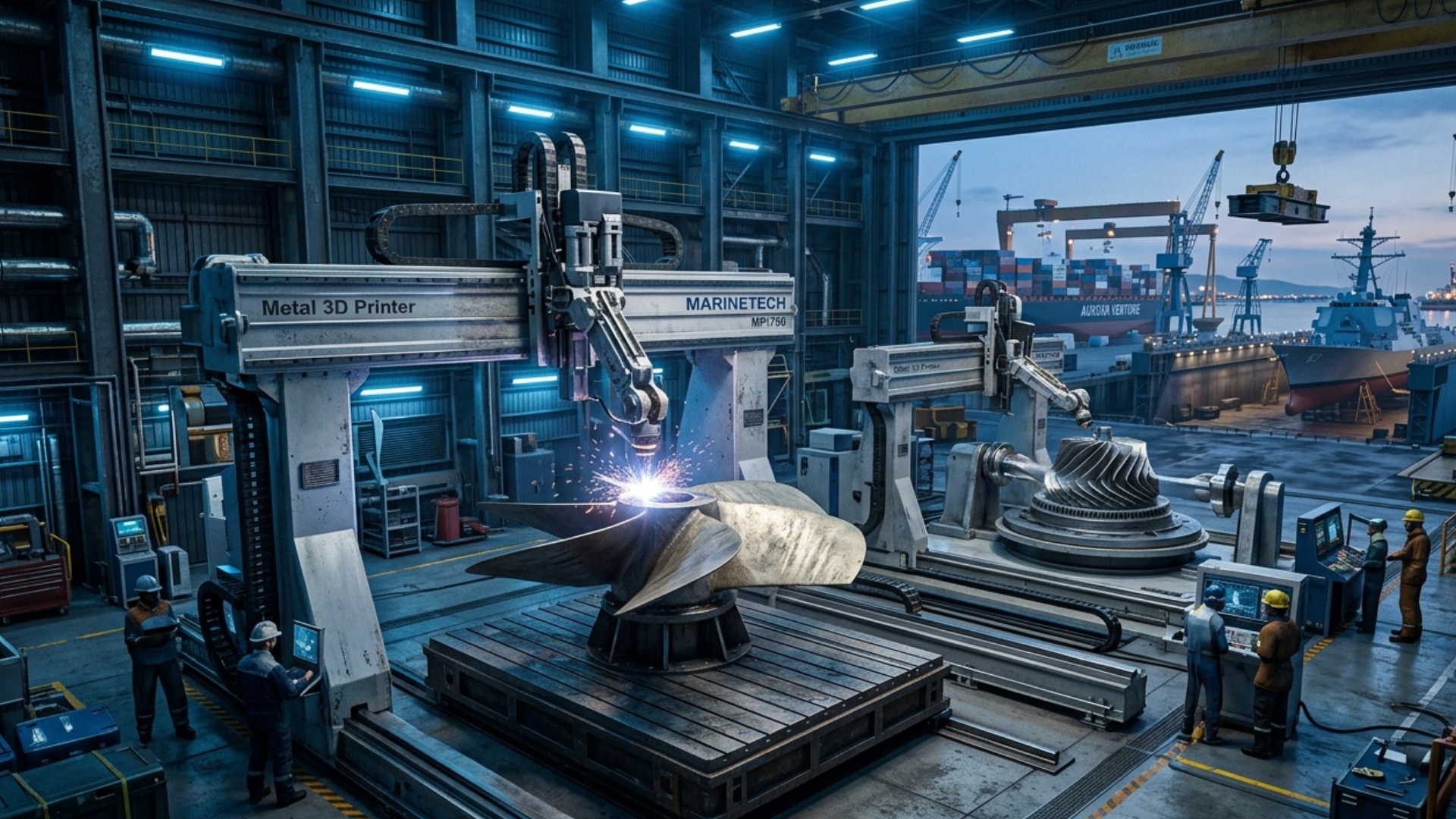
Table of Contents:
3D Printing Used On Ships And Boats
Out on the open water, every piece needs to hold up against salt spray plus constant sun. Toughness matters most when waves crash and light bakes day after day. Survival means handling both wet corrosion and fading from above. Longevity comes not just from material but how it weathers two forces at once. Strength without flexibility fails fast where tides shift and heat builds.
At sea, new printed ship pieces take shape – streamlined, tough, built smarter. Waste slips away when shapes form layer by layer. Flexibility sneaks into designs once stuck on flat blueprints. Fewer delays creep in when parts rise locally instead of arriving boxed from afar.
Picture this – dives into what’s fueling Maritime 3D Printing’s rise across the sector, along with why more firms are leaning in. Instead of standing still, some are sprinting ahead: think watercraft shaped from algae waste, or vessels built layer by layer out of thin air.
The Technology Behind Maritime
From ship hulls to full frameworks, additive manufacturing builds many kinds of maritime pieces. Components such as propellers or replacement bits take shape through layer-by-layer fabrication. While some parts rely on plastic-like substances, others call for tougher stuff – titanium shows up where strength matters most. Stainless steel appears when saltwater resistance is key. Aluminum alloys enter the mix if lightness plus durability are needed. Selection hinges on how each material handles stress, corrosion, and operating conditions at sea.
Heavy impacts? The material must handle them. Lightness matters first. Water stays out – no soaking allowed. Marine life won’t stick easily if it resists growth by nature. Weight spreads evenly across the structure. Corrosion meets pushback. So does ultraviolet light. Each trait holds its ground.
Printing parts often involves different Maritime Model Makers methods like MJF, FDM, SLS, or WAAM. While FDM leads the pack, WAAM gains ground especially for big components. Back in 2017, a group called RAMLAB worked with the Port of Rotterdam on something unusual – the so-called WAAMpeller. This propeller weighed 180 kilograms, met class standards, and was built from nickel aluminium bronze through WAAM.
Most parts made today come from polymer materials, especially those meant for final use. Efficiency, strength, low cost – nylon PA11 and PA12 deliver these without compromise. With layer thickness at 80 microns, surfaces turn out dense and even, so extra finishing steps drop away. Recycling nearly 85% of unused powder keeps waste down while supporting small batches. Prototypes take shape just as easily as limited runs.
Because it resists chemicals and barely takes in water, polypropylene works well where moisture and salt are present. Still, sunlight weakens it over time, so these pieces do better inside buildings.
Out of the Netherlands comes CEAD, building big boats using their own version of tough plastic. This custom HDPE stuff stands up well to hits and weather. Made by machines they designed themselves, each hull needs almost no upkeep. Strength and size go hand in hand here. Their method allows full-scale production without sacrificing toughness.
Metals show up a lot, like they did with the WAAM peller, because rust doesn’t eat them so fast. While some materials give in to decay, these hold firm against moisture and wear. Their toughness in harsh settings makes them common picks for long-term builds. Because environments can be rough on structures, using something that fights back matters. Not every metal lasts forever, yet many beat alternatives when it comes to weathering exposure.
In the boating world, composites keep showing up more often, especially when total metal toughness isn’t a must. Built to handle stress without adding bulk, carbon-fibre reinforced thermoplastics deliver power where it counts. Hulls built this way move fast, last long, perform well. On tighter budgets, glass fibre steps in – strong under bending, easier on expenses.
Facing rough seas means components need serious strength – meeting tough safety standards becomes key when they’re made by printing layer after layer. What holds things back isn’t just design but whether those printed pieces can survive sudden stress without failing mid-journey.
Still, moves are underway to strengthen adherence to rules. For example, just last month the International Association of Classification Societies released fresh guidance aimed at standardising how 3D-printed metal components get used in ships and offshore structures.
Shipbuilders, equipment makers, and shipping companies are being urged to start using additive manufacturing, opening doors for new methods in boat construction and ocean-based design. At the same time, groups such as DNV, ABS, and Lloyd’s Register have begun crafting rules for 3D-printed components used at sea.
Why Is It Being Used In The Maritime Industry?
Design Optimisation And Lightweighting
Because of how it handles water flow and strength, AM matters most at sea. With this method, engineers find new ways to shape old parts. What used to be built one way now takes different forms.
Heavy pieces get reworked through smart shaping, making them light but still tough. Because of this shift, machines that move – like ships – need less power to run. Lighter loads burn fewer fuels just by existing differently.
This reality hits hard in shipping – an industry moving four out of five traded goods across oceans. When firms shape vessels using additive manufacturing, they trim excess mass, which cuts fuel waste while sharpening performance.
One piece at a time, makers are printing intricate parts without needing joints, shifting density where needed to balance the centre of buoyancy just right. Especially deep underwater, submarines gain an edge – like with Kongsberg Ferrotech’s machine called Nautilus that fixes broken metal far below, even past 1500 meters down.
Testing hull shapes, propeller parts, and inner frameworks comes first through additive manufacturing. These pieces go through checks that confirm smooth water flow plus solid performance early on. Mistakes shrink when designs are shaped step by step. Final builds benefit because problems show up sooner. Efficiency gains come from trying real versions long before mass output begins.
Reduced Lead Times And On-Demand Manufacturing
At sea, waiting weeks for repairs is nothing new. Usually, replacement pieces travel from big storage centers straight to where the boat docks next. But then again, mix-ups happen – items go off course, deliveries miss their mark. Sometimes the part shows up broken, sometimes it does not fit. All of this adds delay when time matters most.
What happens next? Expenses climb fast when import taxes, late deliveries, and storage charges pile up. Instead of waiting, firms using additive manufacturing print spare components right where they’re needed – cutting wait times, shrinking stockpiles.
Because machines work fast while needing less effort, making parts takes less time now. Ships keep virtual stockpiles thanks to digital upgrades by sea-based suppliers. When something breaks, replacements get made right away – right where they’re needed – if the ship or nearby dock has access to printing gear.
Lower Material Waste And Circular Economy
Out of all manufacturing methods, additive stands out for fitting neatly into circular systems. Easy recycling of materials becomes possible because components last longer through fixes or updates instead of full swaps. When old machines break down and replacements vanish from supply chains, trash piles up fast under today’s standard procedures.
Material builds up layer by layer in 3D printing, which means it lands exactly where needed – cutting down leftovers far more than methods that carve or pour. Because printed pieces skip the thick frames typical of cast versions, they wind up lighter on raw inputs versus moulded counterparts. Mishaps and helper structures? They find second lives as reprocessed feedstock instead of trash.Looping old bits back into fresh strands closes the cycle without gaps.
This cuts down on materials spending while nudging progress toward greener practices – something shipping firms can’t ignore these days. Take the Green Ship of the Future Consortium: backed by the Danish Maritime Fund, it operates independently without profit motives, pushing zero-emission travel through fresh tech and inventive solutions.
Customisation And Complexity
At sea, ships sometimes need pieces made just for them – odd shapes or unique fits that standard gear can’t handle. Because of AM, creating these isn’t locked behind big expenses like molds or changing entire assembly setups anymore. Instead of waiting weeks and paying extra, workshops can build what’s needed straight from digital files. It works well when only one piece is required, no mass run necessary. Think tight spaces, odd angles, gear working under pressure – custom solutions arrive faster now.
Just like that, factory makers now handle what buyers want without the old struggles – custom pieces including plane cabins, chairs, dashboards, even trim details, suddenly within reach.
One more thing – boats can now be made whole using 3D printing. Look at CEAD’s Maritime Application Centre, built just for creating and building these printed vessels. Their 12-metre robot arm handles prints as big as 12 by 4 by 2 metres. Less than fifty hours is all it takes, almost without human work.
Advances like this show just how much additive manufacturing is changing shipbuilding – suddenly allowing parts that are tailored, intricate, even huge. Suddenly, what was once too difficult to build becomes doable.
Offshore Printing
Out on the water, making parts right where they’re needed means fewer trucks and ships moving things around. That shift slashes fuel use while trimming delivery delays. Costs shrink fast when supply chains get shorter. Speed grows just as quickly.
At sea, ships now hold 3D printers that make tiny spare bits – impellers, valves, pipe pieces – all while sailing. These machines also craft medical tools or artificial limbs if a crew member gets hurt aboard navy crafts. Starting in 2022, subs and giant carriers began carrying these gadgets. Fixes happen mid-mission without docking just to patch up.
That summer, the USS Bataan ran into trouble when an air compressor failed. Fixing it the usual way meant nearly twelve months of waiting, maybe four hundred grand gone. But this time things played out differently – printers right there on deck built what they needed. A new piece appeared fast, slipped into place while still at sea.
Current Applications And Innovations
Out at sea, 3D printing shows up in boats meant for fun, ships built for business, even vessels made for defense – each using it differently. Instead of waiting weeks, some teams now shape prototypes overnight, while others skip traditional molds altogether. Ducts take form layer by layer, just like custom housings that fit snug around equipment. Camera covers emerge piece by piece, often alongside support arms that hold things steady under rough motion. Trim pieces for outer surfaces get shaped to match curves perfectly, no leftover waste. Wires find their path thanks to printed guides that clip into place. When composites need shaping, tools appear on demand, molded not from metal but plastic formed slowly in thin slices.
At sea, fresh ideas take shape when firms mix 3D printing with shipbuilding know-how. Some labs dive deep into metal printing to test hull parts under pressure. Others tweak software so vessels get custom components faster. A handful team up with ports to trial emergency repairs on demand. Each project sails its own course – yet all chase stronger, lighter marine tech through smart fabrication.
Recycled Surfboards
Past the boats, things shift. A twist comes through Paradoxal Surfboards – Jérémy Lucas at the front – pulling tangled seaweed from shores instead of tapping oil-heavy recipes found in most boards made today across continents.
Most old-school techniques rely on polystyrene or polyurethane – harsh stuff that pollutes, guzzles energy, and breaks into tiny plastic bits. Trying something better here: cutting down surfing’s climate impact, looping materials back into use, giving Breton tourism a quiet boost along the way.
Aquatic Drone
At sea, tough jobs need gear that lasts. Built only from reused and reusable stuff, the ShearWater handles inspection and upkeep work where conditions get rough. Shaped using strong thermoplastics and PETG fibres, it resists knocks without adding bulk. Waterproof by design, its frame stays firm yet light when duty calls.
Completely 3D Printed Boats
Back in November 2023, a new kind of water taxi appeared on the scene – crafted entirely by 3D printing. This wasn’t just any small prototype; it stretched nearly twelve meters long, tipping the scales as the biggest boat ever built using additive manufacturing. Built through a partnership between Al Seer Marine and Abu Dhabi Maritime, its arrival made waves quietly but firmly. Then came official word – the record was set, recognized globally by Guinness. Size mattered here, yes – but so did method.
One moment it was just another project. Then came the shift – beating out UMaine’s 3Dirigo, a hefty 25-foot, 5000-pound Navy craft made with the planet’s biggest 3D printer. Soon after, a new form took shape: a patrol boat built for the US Marines, said to stretch double the length of the earlier model. These steps forward aren’t small tweaks – they ripple outward, hinting at how additive manufacturing could reshape shipbuilding across vast waters.
The Future Of Maritime
When tech moves forward, 3D printing might just settle into daily shipyard work. Not only do mixed systems merge layering with cutting, they also adapt faster to complex shapes. Smart algorithms now shape blueprints while fine-tuning each printed layer. What once seemed limited keeps expanding, quietly, through smarter machines.
In today’s push for greener practices, ships now rely on additive manufacturing more than ever. Digital shifts have changed how vessels get built – slowly replacing old methods. Flexibility at sea matters like never before, so factories adapt fast. Machines print parts once shaped by hand. This isn’t new tech trying things out – it’s what keeps shipping moving forward. Necessity drives change when demands pile up.
Now beginning to matter more than before, moving into additive manufacturing changes how factories operate. Not limited by industry type, AMFG works with firms that build ships just as much as those making cars, planes, or medical devices.
Faster work happens when systems talk smoothly – factories find rhythm through smart tools that cut clutter. Machines keep moving because setup shifts from slow steps to steady flow.
One step at a time, more than five hundred businesses in thirty-five nations have put this software to work. Not limited by sector, each setup finds its own rhythm blending additive manufacturing and CNC workflows. Through steady support, teams adapt the system to fit existing factory routines.
Growth follows naturally when digital tools align with real-world demands.