
Unlocking Miniature Worlds: What Is A Diorama And How To Make One
Dioramas are fascinating miniature scenes that captivate and transport their audience into another time or place. Whether it be historical, natural, dramatic, or architectural, dioramas allow people to witness a story or concept come to life through three-dimensional representation. But what exactly is a diorama, how are they made, and how can one get started in creating their own diorama masterpieces? This comprehensive guide aims to provide a broad overview of diorama construction, including its history, different types, materials, and steps one should take to begin their own diorama creation journey. Whether one is a budding hobbyist, an educator looking to engage students with miniature scenes, or a curious beginner, this guide will provide readers with all of the background and instruction they need to dive into the fascinating world of diorama making. For those looking for professional assistance, a Custom Diorama Maker Malaysia can help turn a creative concept into a detailed miniature scene.
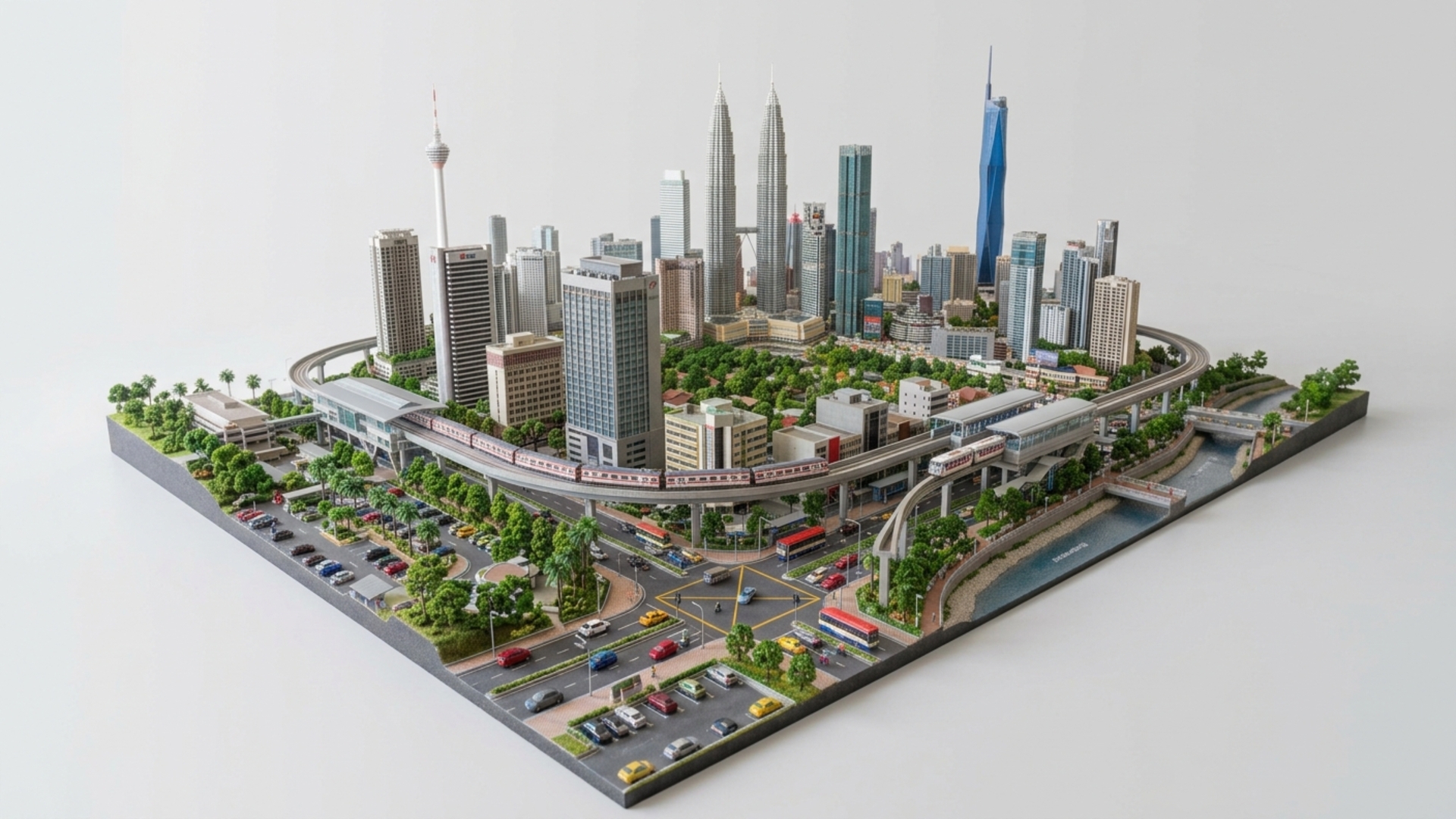
Table of Contents:
- – What is the Meaning of Diorama? A Look at its Definition
- – Exploring Different Types of Dioramas: From Historical Scenes to Architectural Displays
- – Planning Your Diorama: Concept, Scale, and Storytelling
- – Essential Materials and Tools for Diorama Making
- – Creating the Foundation: Base and Background Construction
- – Shaping the Scenery: Terrain and Landscape Techniques
- – Building the World: Adding Structures and Details
- – Populating Your Scene: Figures, Props, and Finishing Touches
- – Enhancing the Atmosphere: Lighting and Special Effects
- – Diorama Example Projects and Inspiration
- – The Unique Appeal of an Architecture Diorama
- – Conclusion
What is the Meaning of Diorama? A Look at its Definition
A diorama is best defined as a three-dimensional miniature scene that depicts a specific story, image, or idea. It often includes a painted background, three-dimensional foreground, and various other features and effects that bring it to life. Dioramas can take many forms but often contain both a small scale replica of the subject at hand while maintaining the appearance and feel of the original. Some diorama examples include architecture diorama, miniature dioramas, and historical dioramas, among others. The word “diorama” comes from the Greek words “dia” and “horama” and was used to describe large-scale theatrical productions that utilized innovative special effects such as lighting and translucent painted scenery to create the illusion of depth and movement. Today, the word diorama most often refers to three-dimensional miniature scenes that are used for display, entertainment, or educational purposes. For instance, an architectural diorama can be used to help conceptualize a building at a smaller scale.
Exploring Different Types of Dioramas: From Historical Scenes to Architectural Displays
There are several different types of dioramas that one could pursue when getting started in diorama construction. Historical dioramas often depict real-life events such as battles, expeditions, or other feats of history. Natural history dioramas are often seen in museums and depict various species of animals in their natural habitats. Science-fiction dioramas are great for letting one’s imagination run wild, while miniature or micro-dioramas utilize small scale replicas and can be placed inside of Altoids tins and other small spaces. A 3D Diorama Malaysia project can also be designed to showcase local architecture, landscapes, cultural scenes, or other subjects. The possibilities are truly endless when it comes to the types of dioramas that one can make. However, it is often best to begin with a simple scene and build one’s skills before attempting larger or more complex diorama projects.
Planning Your Diorama: Concept, Scale, and Storytelling
It is essential to plan one’s diorama before beginning construction. Firstly, it is important to decide what the diorama will be and what story or image one would like to depict. Researching the subject of one’s diorama is often necessary in order to build an accurate and realistic miniature scene. Additionally, it is important to decide on a scale for one’s diorama. The scale will dictate how big one’s diorama will be and what size miniature replicas one will need to buy or build. Some common scales include one to thirty-five, one to forty-eight, one to seventy-two, and others. One should also consider what materials to use for their diorama, as there are a wide variety of materials available that can help bring one’s diorama to life. Lastly, one should consider how they will lay out their scene, what perspective they will use, and create a list of materials and detailed instructions for their diorama. The more one plans for their diorama, the more enjoyable it will be to build and present.
Essential Materials and Tools for Diorama Making
There are a variety of materials and tools that one can use to build a diorama. Some materials that one could use include foam board, cardboard, paint, glue, and various other sculpting materials. Plaster, sand, gravel, and other materials can also be useful when it comes to adding texture to one’s miniature scene. It is important to think about the material one will use as the base for their diorama. It could be something as simple as cardboard or foam board. Other materials such as wood, stone, or metal could also be used but are often heavier and require more structural support. One should also think about using recycled materials when building their diorama. Many objects can be repurposed and used to help bring a diorama to life. Additionally, there are various tools that one can use to build a diorama, including a craft knife, scissors, ruler, paintbrush, tweezers, hot glue gun, and others. Some tools such as a rotary tool, airbrush, and soldering iron may be useful for more advanced diorama builders but are not necessary for beginners. It is important not to be limited by materials and tools when building a diorama, as there are many options available for diorama builders of all skill levels.
Creating the Foundation: Base and Background Construction
Once one has planned out their diorama, it is time to get started with building the actual scene. The first step is to construct the base of one’s diorama. Most dioramas will have a base made of foam board, plywood, or other materials. The base should provide good support and should be the appropriate size for the one’s diorama. One could also consider adding a frame or border to their diorama for extra detail. One should also think about how they would like the background of their diorama to look like. The background can vary from being a simple painted background to a detailed painted and sculpted landscape. It is important to think about what colors and scenes one would like to use for their background and what time of day or weather one would like to depict. One should also consider how they would like their background and foreground to interact with one another. The background of a diorama is essential in setting the scene, so it is important that one thinks carefully about what colors and scenes to depict.
Shaping the Scenery: Terrain and Landscape Techniques
One of the most exciting parts of building a diorama is creating the terrain. Creating realistic terrain is often a matter of sculpting with foam board and cardboard and layering plaster, sand, gravel, or other materials on top in order to give it texture and detail. It is important to think about the type of environment one would like to depict for their diorama. One may want to sculpt mountains, hills, valleys, or other natural landforms. One should also think about how they will add grass, shrubs, trees, or other vegetation to their diorama. Using materials such as flocking can be a great way to add grass and other vegetation to one’s diorama. Flocking is a type of material that looks like small pieces of fabric that can be used to represent grass, shrubs, and other plants. Simply apply glue to the desired location on one’s diorama and sprinkle the flocking material on top in order to create vegetation. Another great way to add vegetation is to use model trees and shrubs that can be purchased at most hobby shops. It is important to consider the appropriate scale for one’s diorama when it comes to materials such as gravel, sand, and vegetation. Certain materials may look realistic at one scale but not at another.
Building the World: Adding Structures and Details
Structures such as buildings, bridges, and more can be a great addition to any diorama. One has a variety of options when it comes to adding structures to their diorama. One could purchase model buildings and structures or one could build them from scratch using materials such as cardboard, foam board, plastic, and more. A 3D Printed Diorama can also provide a practical way to create detailed structures and miniature components with consistent dimensions. One should ensure that the buildings they add to their diorama are to scale and fit with the scene they wish to depict. It is a good idea to build buildings that have interesting details such as windows and doors but also keep in mind that certain details may be too small for one’s chosen scale. Details are one of the most important parts of any diorama. Adding small details such as trees, rocks, and other items can help bring a diorama to life and make it look more realistic. It is important to think about how realistic one’s diorama should look. One should strive to include as many small details as possible that would be found in the real-world counterpart to one’s diorama. For instance, one should think about what details they would see in a real building, street, or room and attempt to replicate those details in one’s diorama. Even small details such as weathering can add realism to one’s diorama. It is important to think about the level of detail one wishes to achieve with one’s diorama. Some diorama builders prefer to have their dioramas look highly realistic while others may prefer a more stylized look. It is also important to think about how one wishes to incorporate details such as weather effects and lighting into one’s diorama.
Populating Your Scene: Figures, Props, and Finishing Touches
Figures are a great way to add life and action to one’s diorama. Figures can be purchased or handmade and can range from simple stick figures to highly detailed miniature people or animals. One should think about how they will add figures to their scene, what actions they will perform, and how they will interact with their environment. Figures should be used to add life and realism to one’s diorama. One should think about the placement of figures within one’s diorama and what actions they will take. Additionally, one should think about what figures they will use, whether buying ready-made figures or sculpting their own. One should also consider the material that the figure is made of and what scale it will be at. It is important to ensure that figures are appropriate for the scale of one’s diorama so that they do not look too large or too small for the environment they are placed in. Lastly, one should think about how they will position their figures within one’s diorama.
Props and finishing touches are the final touches that can help make a diorama look realistic. Small details such as street signs, rocks, and other objects can help give a diorama extra realism. One should think about what props they will use in their diorama. It is important to ensure that any objects one uses in their diorama are to scale. Additionally, one should think about how they will add finishing touches to their diorama. Certain weathering effects, lighting effects, and other finishing touches can help bring a diorama to life. It is important to think about the finishing touches that one will add to their diorama, as these details often make the most difference when it comes to realism. Professional Miniature Model Makers In Malaysia can also assist with creating detailed figures, props, and finishing touches for more complex projects.
Enhancing the Atmosphere: Lighting and Special Effects
One should think about how to add lighting effects to their diorama in order to make it stand out. Using simple lights such as spotlights or LED strips can help add highlights and shadows to one’s miniature scene. Additionally, advanced lighting effects such as fiber optics and miniature light fixtures can also be used to illuminate one’s diorama in unique ways. One should also think about the heat emitted by certain lights, as some lights may get too hot and ruin one’s diorama. It is important to think about how one will use lighting in their diorama to create the most realistic, detailed effect possible. It is important to think about the purpose of one’s diorama and what lighting effects will best serve that purpose. One should also think about any special effects such as smoke, water, or fire they would like to add to their diorama. Using materials such as cotton balls, resin, and more can help one create various special effects for their diorama. One should think about what special effects they would like to add to their diorama, how those effects will be achieved, and what materials will be needed to do so. Additionally, one should think about any safety concerns one may have when it comes to special effects and ensure that any materials one uses are safe and that adequate safety precautions are taken.
Diorama Example Projects and Inspiration
Looking at example projects is a great way to get inspiration for one’s own diorama. One should do some research online or in person to look at example dioramas and see how they were made, what materials were used, and how their scenes were constructed and presented. One should think about what they like and dislike about certain dioramas and consider incorporating elements from dioramas they like into their own diorama projects. It is important to think about how these example dioramas were constructed and presented, as this can provide one with valuable insight that can help them improve their own diorama building skills. One should think about the scenes depicted in example dioramas, their construction, and presentation. They should think about how the diorama was constructed, what materials were used, and how the diorama was presented to its audience. Additionally, one should think about how certain dioramas utilized figures, lighting effects, special effects, and other elements to help bring their scenes to life. Replicating certain example dioramas can also be a great way to learn new skills and improve one’s diorama building abilities. One should think about which example diorama they would like to replicate, what materials they will need to do so, and how they will go about doing it. It is important to think about how one will make their replicated diorama their own and ensure that it is not just a copy of another diorama. This will allow one to utilize their own skills and creativity when replicating an example diorama while still learning new skills from it.
The Unique Appeal of an Architecture Diorama
An architecture diorama is a unique type of diorama that goes beyond depicting a single scene or event and instead focuses on creating a miniature replica of a building or complex of buildings. An architectural diorama can be a great way to explore the world of diorama construction. An architecture diorama can serve a variety of purposes, acting as both a display and a tool for architectural planning. An architecture diorama can also be used as an educational tool to help students learn about different types of buildings or to display one’s passion for architecture and design. Creating an architecture diorama can help one appreciate the art and planning that goes into real-world building projects. These types of dioramas can be used for both real-world and fictional buildings and can range from extremely small to very large scale. Architecture dioramas can also be great displays that showcase one’s skills and interest in the field of architecture or design. A 3D Miniature Model Maker can help transform architectural concepts into detailed physical models that showcase the construction, presentation, and attention to detail of an architectural diorama. The construction, presentation, and attention to detail of an architectural diorama can bring a unique level of satisfaction and appreciation for the art of architecture and building design that other types of dioramas may not provide.
Conclusion
Dioramas are fascinating miniature scenes that can help one express their creativity and bring their imagination to life. Whether it be a historical, natural, dramatic, or architecture diorama, dioramas come in a variety of types that allow one to depict a story, image, or idea using a three-dimensional medium. One should think about how to research diorama construction, obtain materials, create detailed miniature scenes, and incorporate lighting effects, figures, and more in order to create a display-worthy diorama. Additionally, one should think about example diorama projects and use inspiration from them to help create one’s own incredible diorama displays. Lastly, it is important to think about the unique appeal of an architecture diorama and consider creating one of one’s own. If you need help bringing your miniature concept to life, get in touch with our team to discuss your diorama project and explore suitable options for creating a detailed and engaging model.
- Tagged: 3D Diorama Malaysia, 3D Diorama Projects, 3D Miniature Model Maker, 3D Models Diorama Malaysia, 3D Printed Diorama, Custom Diorama Maker Malaysia, Diorama 3d Models, Diorama Models For 3D Printer, Miniature Model Makers In Malaysia, Professional Diorama Services Malaysia, Scale Model Diorama Malaysia