
What’s The Right Resin For SLA? 3D Printing Materials Compared
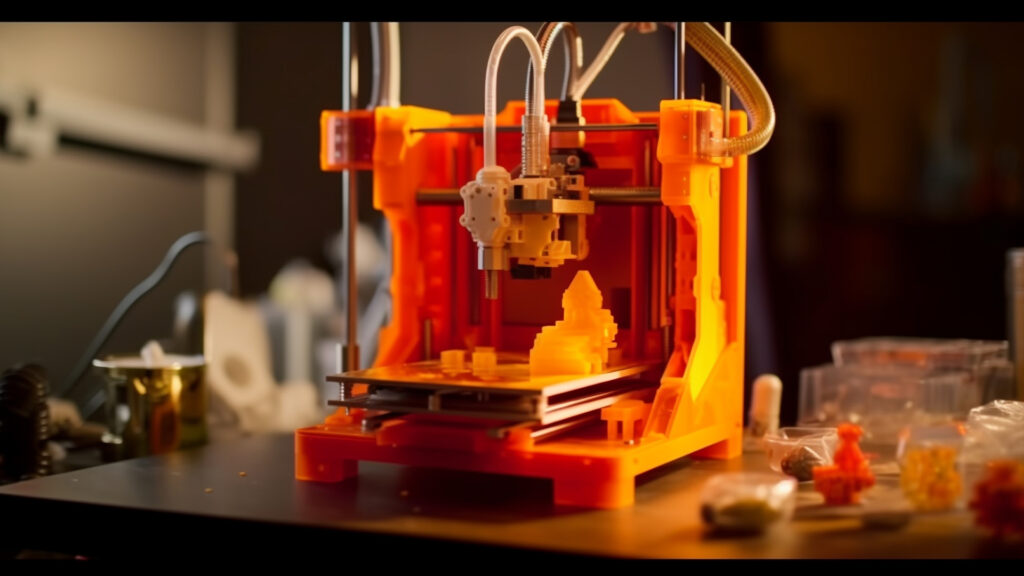
Experience unrivaled crisp detail, flawless surfaces, and unfailing precision with our resin 3D printing service. SLA 3D printing precisely cures liquid resin layer by layer, resulting in components that feature crisp edges and elegant surfaces. When it comes to obtaining precision in prototypes, generating polished presentation models, or sculpting complicated designs that capture every detail, designers and engineers turn to a resin printing service.
Resin 3D Printing Service: High-Precision Custom Prints
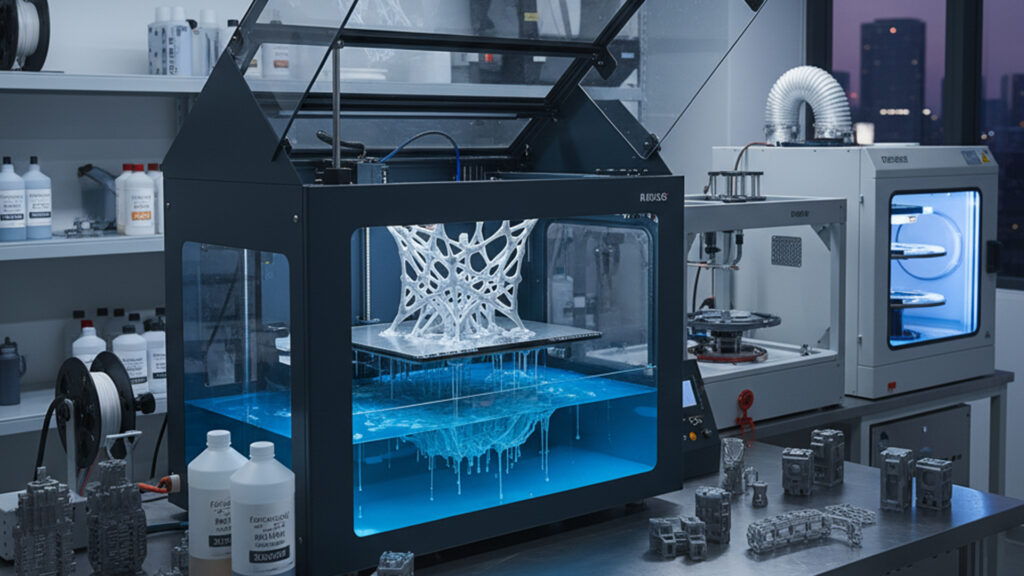
A resin 3D printing service offers the best quality for firms who need to make parts that are very detailed and accurate. This service utilizes UV light-cured liquids to make products that offer smooth surfaces and accurate tolerances. Resin printers are great for prototypes, show models, and functioning parts, even for the most demanding uses.
The Benefits of Using 3D Printing in the Sand Casting Process
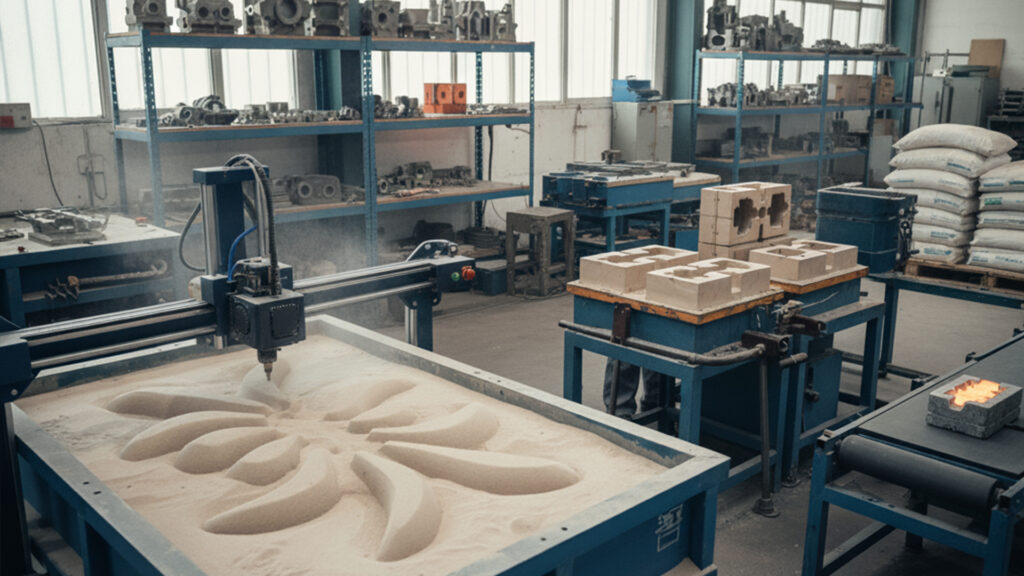
The advancement of manufacturing gives companies a strategic edge by combining sand 3D printing, localised production, and full-color visualisation. The sophisticated technologies of 3D printing in Malaysia, such as full-color and sand-based additive manufacturing, have you ready for the future, whether you’re making practical cast parts or new architectural prototypes.
All You Need to Know About Sand 3D Printing
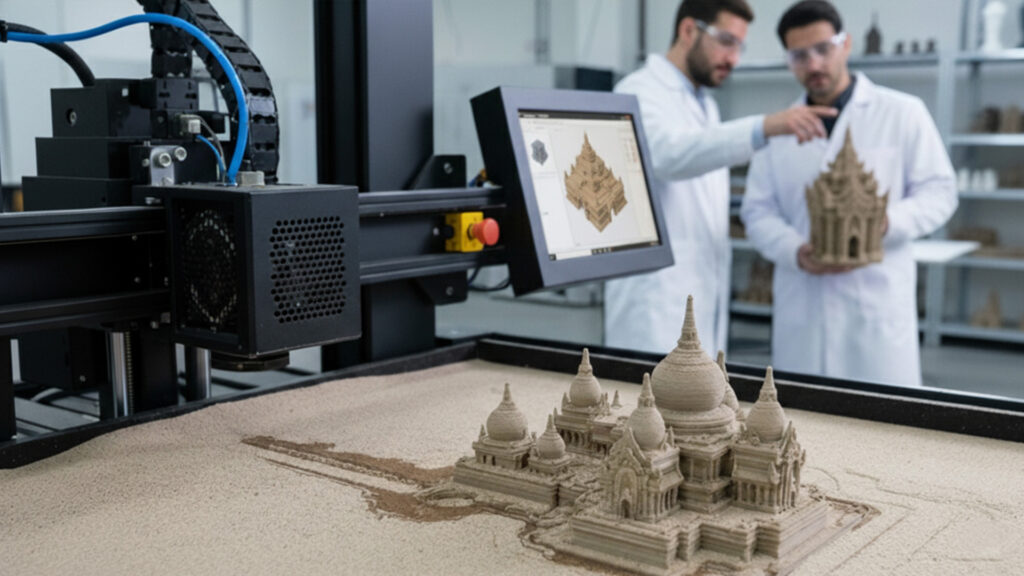
Sand 3D printing allows for the creation of intricate moulds, core pieces, and architectural designs that would otherwise be difficult or expensive to create using traditional methods. This method employs precise layer-by-layer application of sand and glue to create buildings with complex shapes and superior performance. Sand printing is evolving beyond its traditional application in industrial casting to incorporate more sophisticated technologies such as full-color 3D printing. This rise is causing waves in the design and decoration industries, affecting markets in Malaysia and around the world.
Silicone 3D Printing: The Game-Changer You Didn’t See Coming
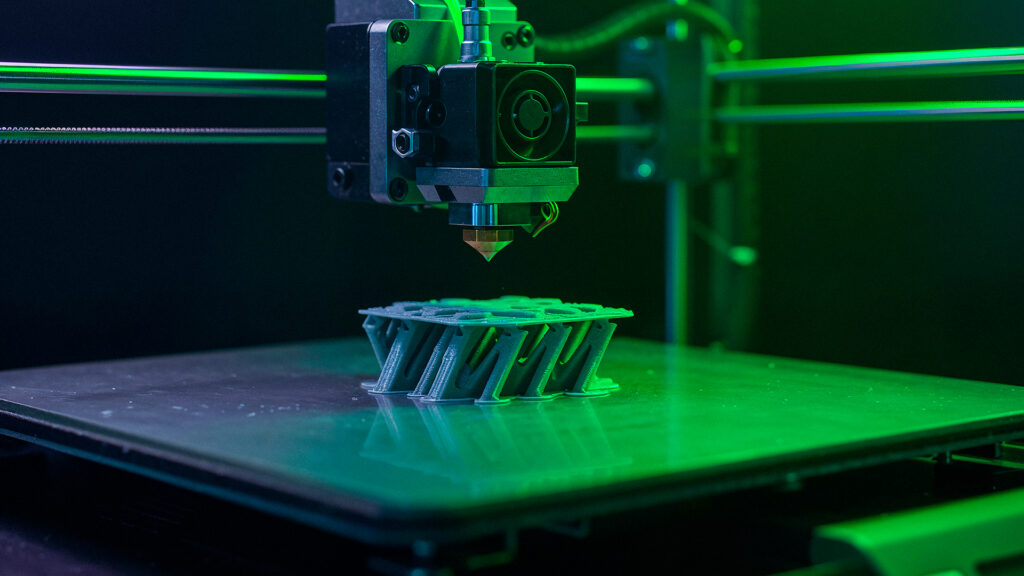
One of the most fascinating changes in current production is the use of silicone 3D printing. This technique makes it possible to have flexibility, durability, and precision all at the same time, which is something that traditional production processes have had a hard time doing for a long time. Industries from healthcare to consumer goods are now making items that are stronger, gentler, and better suited to meet the requirements of people and the environment, thanks to the ability to print real silicone.
How Silicone 3D Printing Is Transforming Medical and Biomechanical Engineering
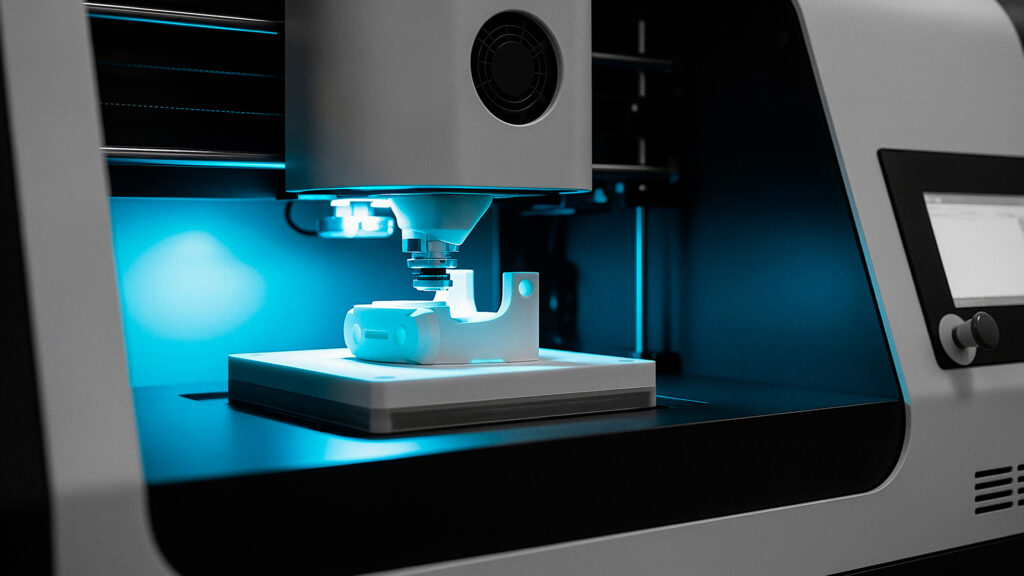
Silicone 3D printing is one of the most important new technologies that is changing the fields of healthcare and biomedical engineering. With this new process, doctors and engineers can now design and make flexible, long-lasting, and biocompatible parts that couldn’t be made with old procedures. Silicone printing can now make prosthesis, surgical models, and even wearable medical gadgets that are made to fit each patient. This is because it can copy the softness and suppleness of human tissue.
Why 3D Metal Printing Is Key to the Future of Aerospace Engineering
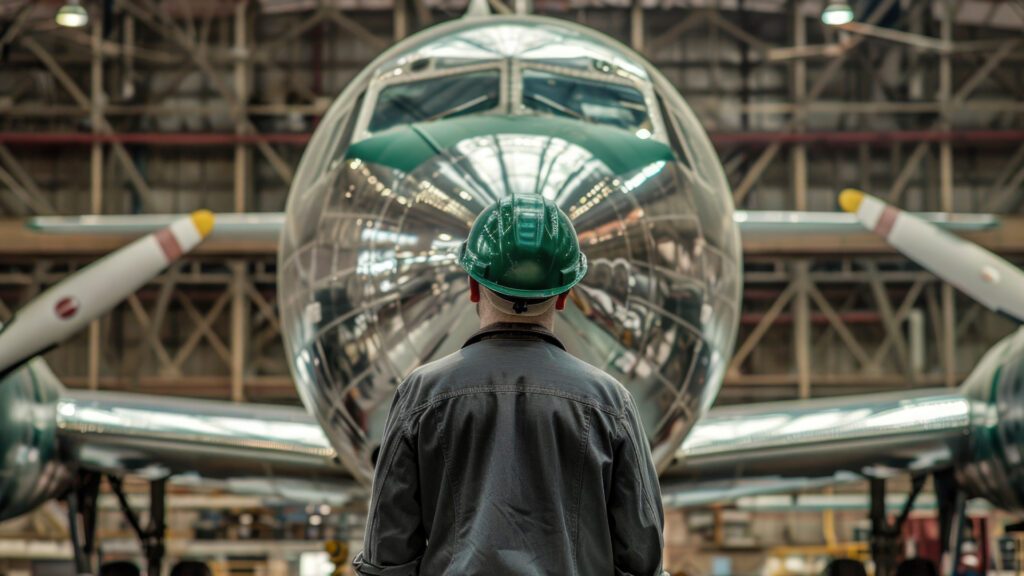
An advanced aerospace 3D printing setup featuring metal printers producing complex jet engine parts and structural components. The image captures how additive manufacturing is transforming aerospace engineering with precision-built, lightweight designs that enhance performance, efficiency, and innovation in flight technology.
To Infinity and Beyond: 3D Printing in the Aerospace Industry

A close-up view of precision-engineered aerospace components produced through 3D metal printing, showcasing the intricate details and strength of modern metal fabrication. The metallic parts gleam under the light, emphasizing the durability and accuracy essential for flight-ready performance. This image reflects how aerospace 3D metal printing is revolutionizing the industry by enabling lighter, stronger, and more efficient designs that were once impossible with traditional manufacturing. It captures the fusion of innovation and engineering excellence that drives the future of aerospace technology.
Can You Mix Resins for 3D Printing? Here’s What You Need to Know
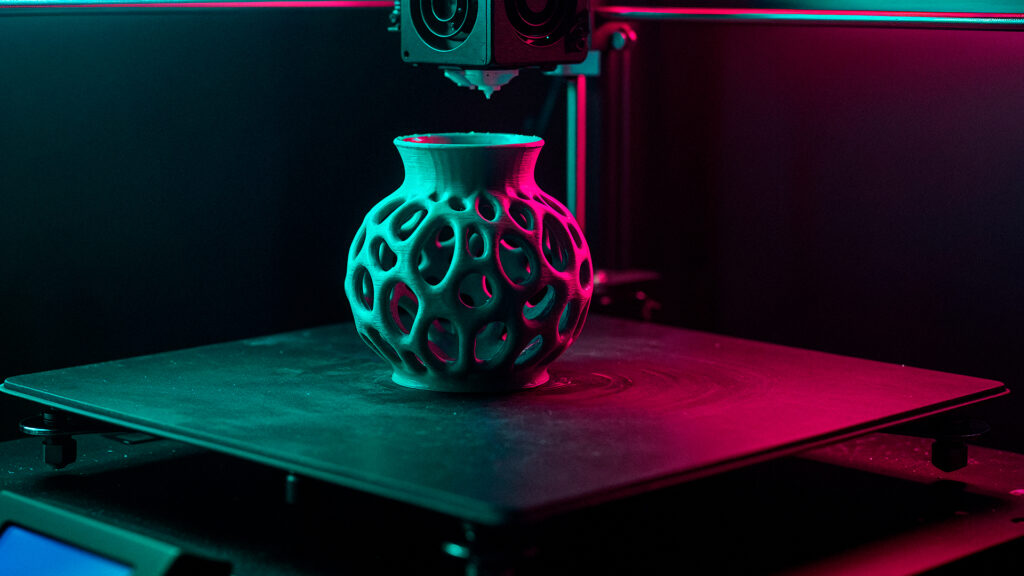
A close-up view of a ceramic 3D printing process in action, where a precision printer deposits fine layers of ceramic material to form a beautifully detailed vase. The image captures the smooth, methodical motion of the print head as it shapes the object with stunning accuracy. Each layer blends seamlessly into the next, revealing the power of modern additive manufacturing to craft complex curves and artistic forms that traditional methods could never achieve. The soft glow of the printer’s light and the fine ceramic powder surrounding the workspace highlight both the artistry and technology behind this innovative process.
How to Design for Ceramic 3D Printing: The Ultimate Guide
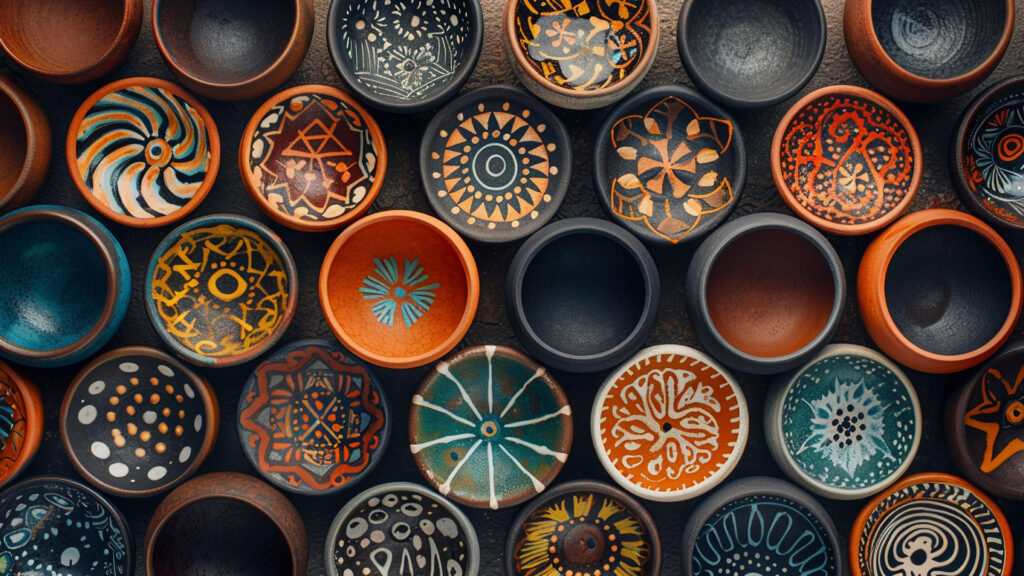
A collection of beautifully crafted bowls created through 3D ceramic printing, each showcasing the precision and artistry of modern additive manufacturing. The image highlights the smooth textures, elegant curves, and intricate designs made possible by advanced 3D printing technology. Each bowl varies slightly in shape and finish, reflecting both the creative freedom and material versatility that 3D printed ceramics offer. The arrangement captures how traditional craftsmanship and cutting-edge innovation blend seamlessly to produce functional yet artistic ceramic pieces.