
3D Printing Design Optimization: Strength vs. Aesthetics
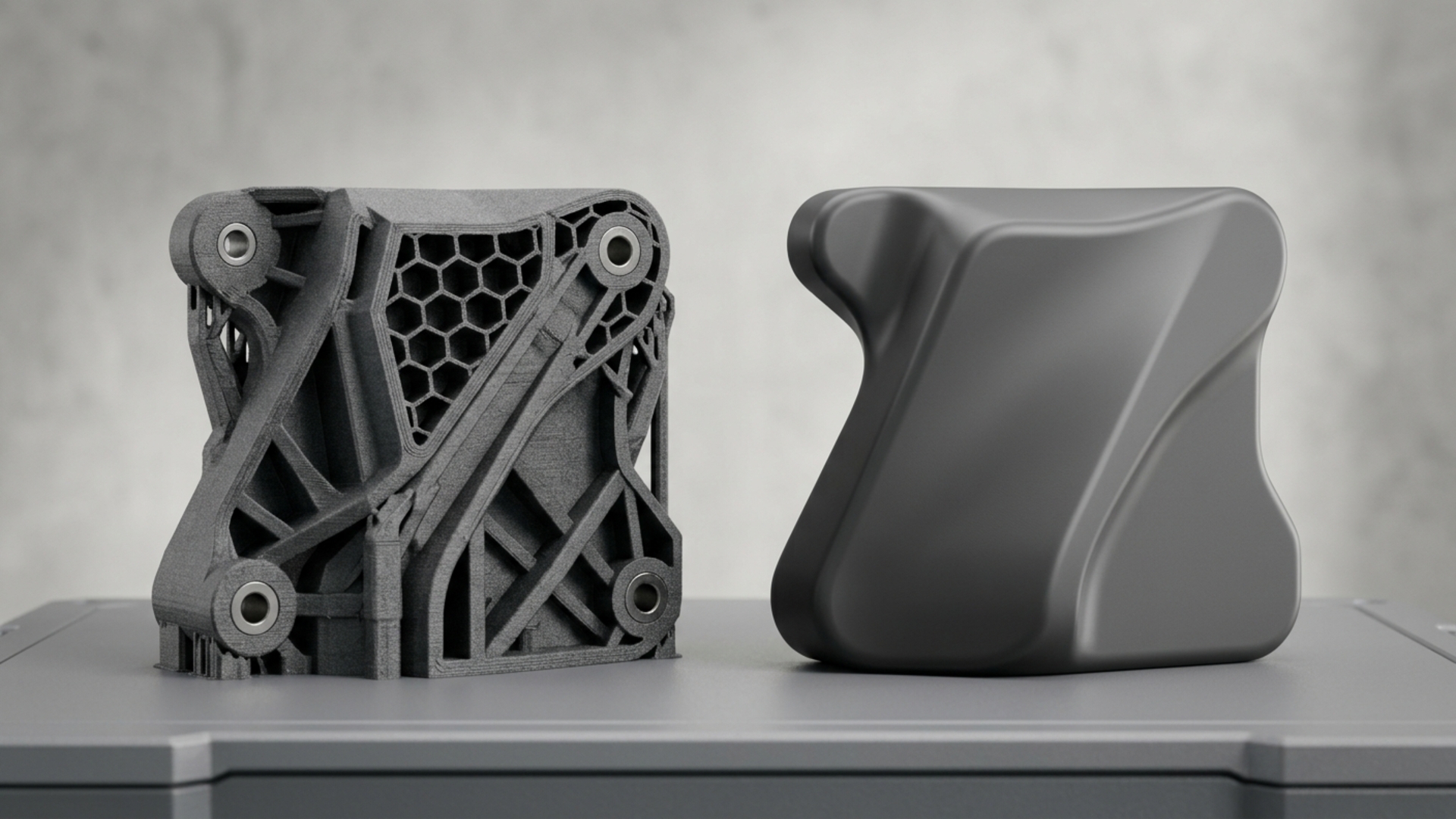
Designing for 3D printing often requires balancing mechanical properties and aesthetics. Knowing which factors to prioritize can help designers prevent unnecessary redesigns, optimize performance, and shorten time-to-market. In addition, as designs evolve from prototyping to end-use parts, such considerations become even more relevant.
Why 3D Printing is Becoming Essential for Engineers
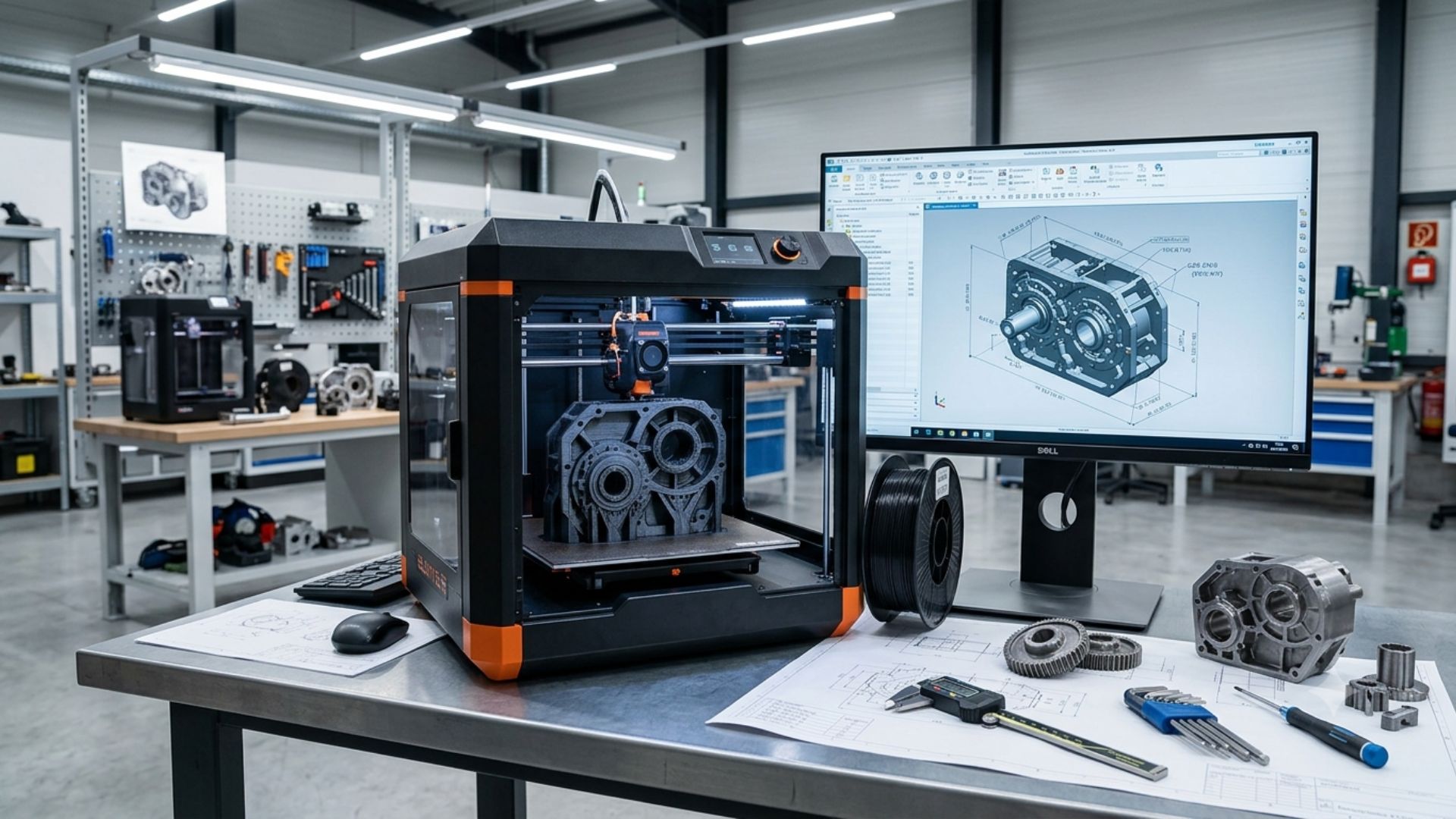
3D printing technology is playing an increasingly crucial role in the engineering sector as it provides various tools and processes that enable engineers to create and manufacture products faster and more efficiently. The 3D printing process enables engineers to fabricate products they envision from a design on a computer. It entails using a 3D printer, and it works by creating products one layer at a time.
Internal Cooling Structures via Metal 3D Printing
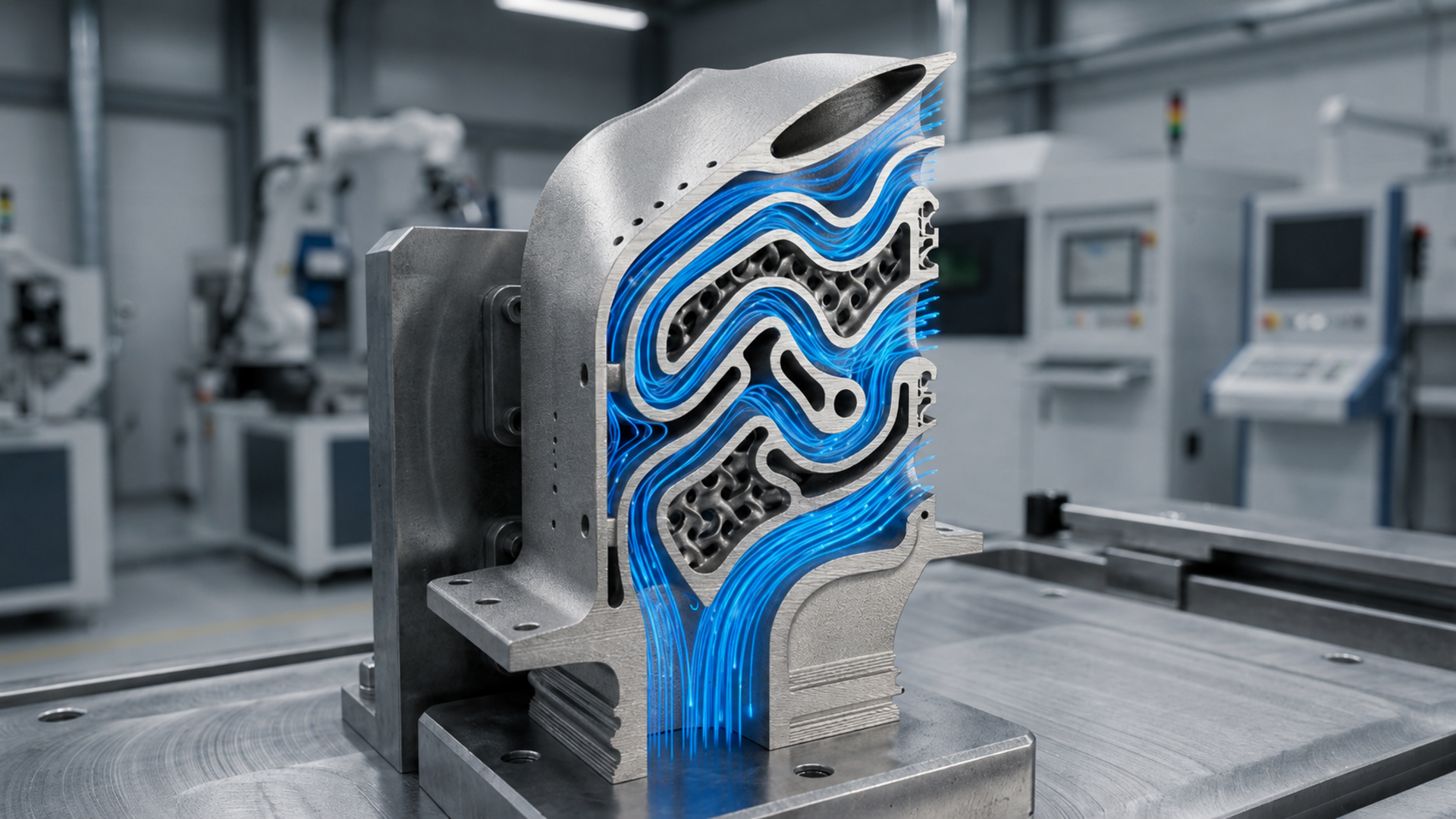
Internal cooling structures are extremely important for modern aerospace engineering. They help in reducing overheating, stress, and weight while maximizing efficiency. Internal cooling structures can be found in gas turbine blades, combustion chambers, rocket engines, hypersonic vehicles, heat exchangers, and electronic cooling systems.
Metal 3D Printing vs Die Casting: Which Creates Stronger Parts?
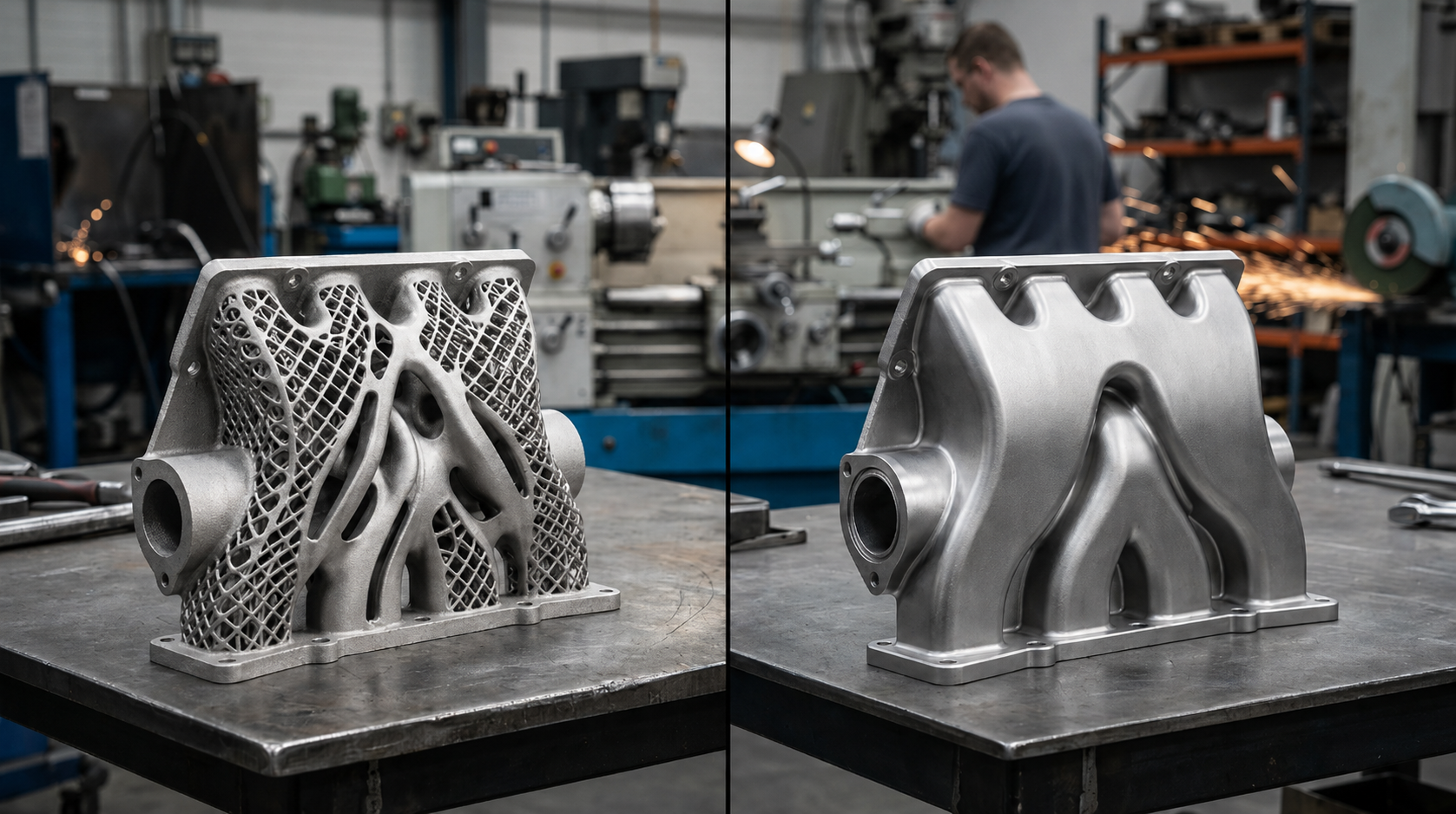
The advantages of metal 3D printing and die casting are numerous in particular application areas. To begin with, a choice between 3D printing and die casting is not always obvious since both processes have certain strengths and weaknesses.
3D Modeling Services: What Makes a Product Page Feel ‘Real’ Online
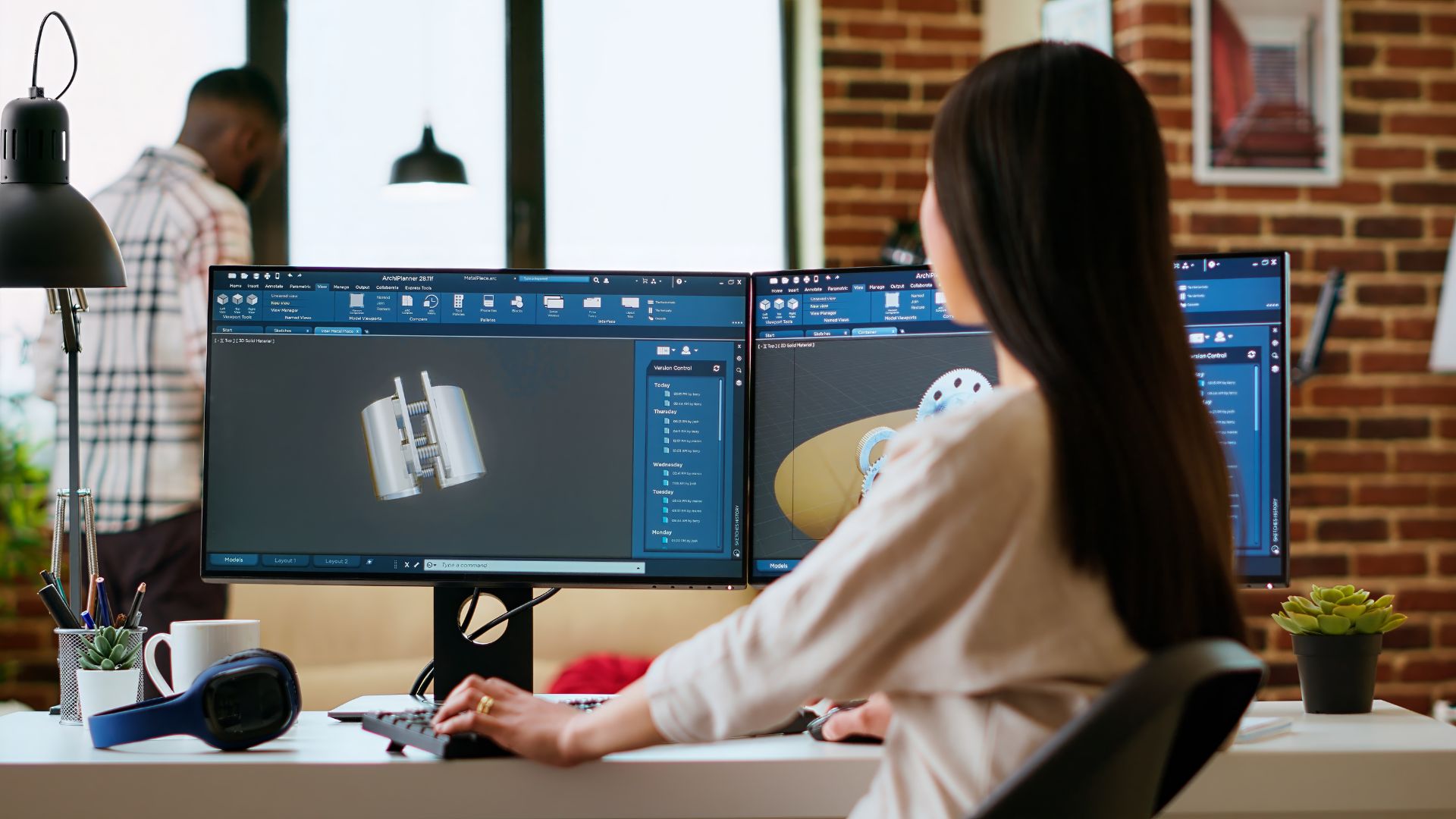
3D modeling services as a potential solution for turning your product pages into captivating experiences that convert. Professional 3D Model Printing Service providers can also help businesses create highly accurate product representations that enhance the overall customer experience.
Is 3D Printing Profitable?
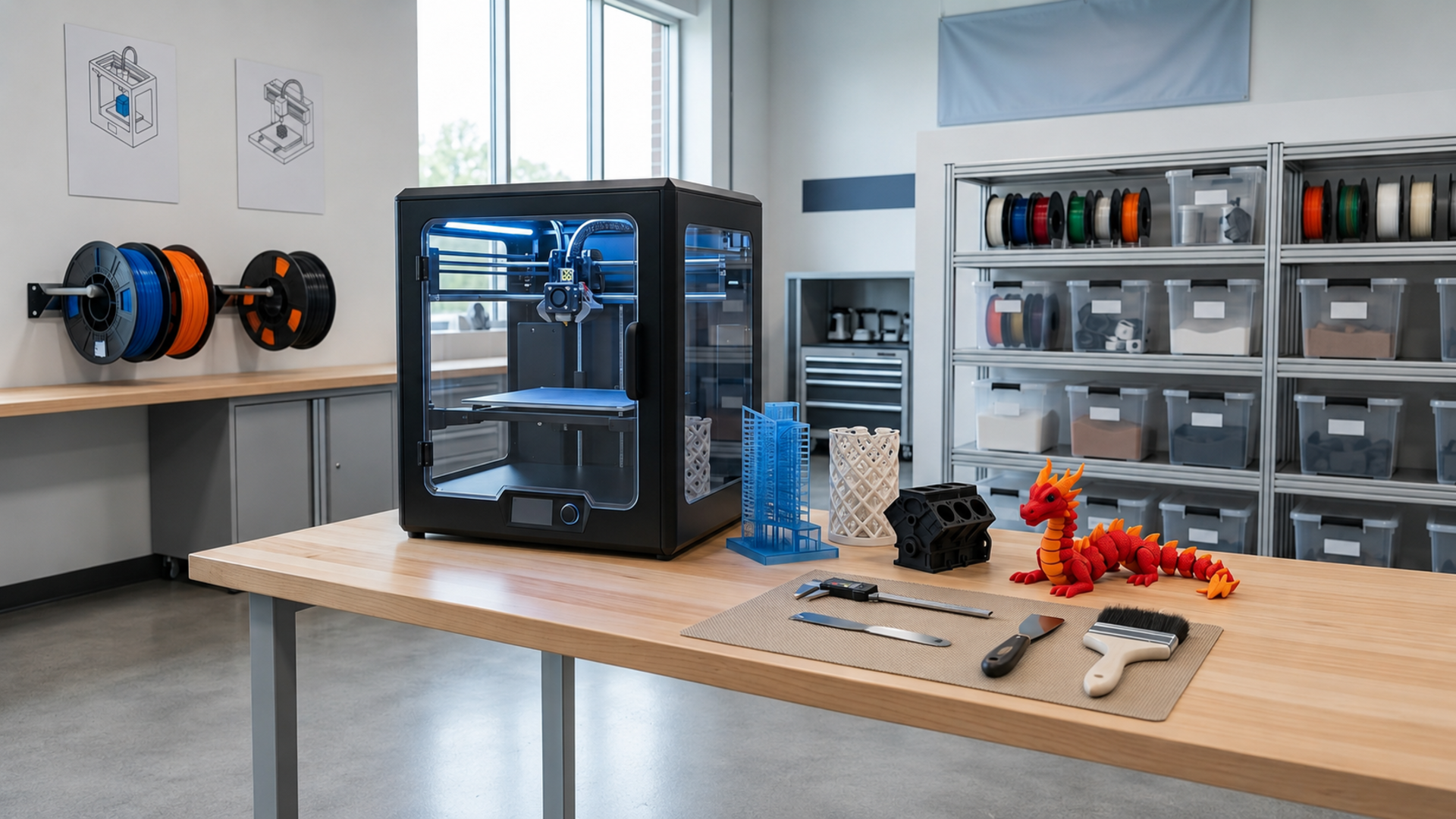
3D printing has matured into a commercially viable technology that powers startups, side hustles, and industrial operations alike. But is 3D printing profitable? The answer is: it can be — with the right setup, market fit, and strategy. Whether you’re offering customized parts or on-demand manufacturing, understanding where the value lies is key to turning prints into profits.
SLS vs MJF: Choosing The Right 3D Printing Method For Your Product Requirements
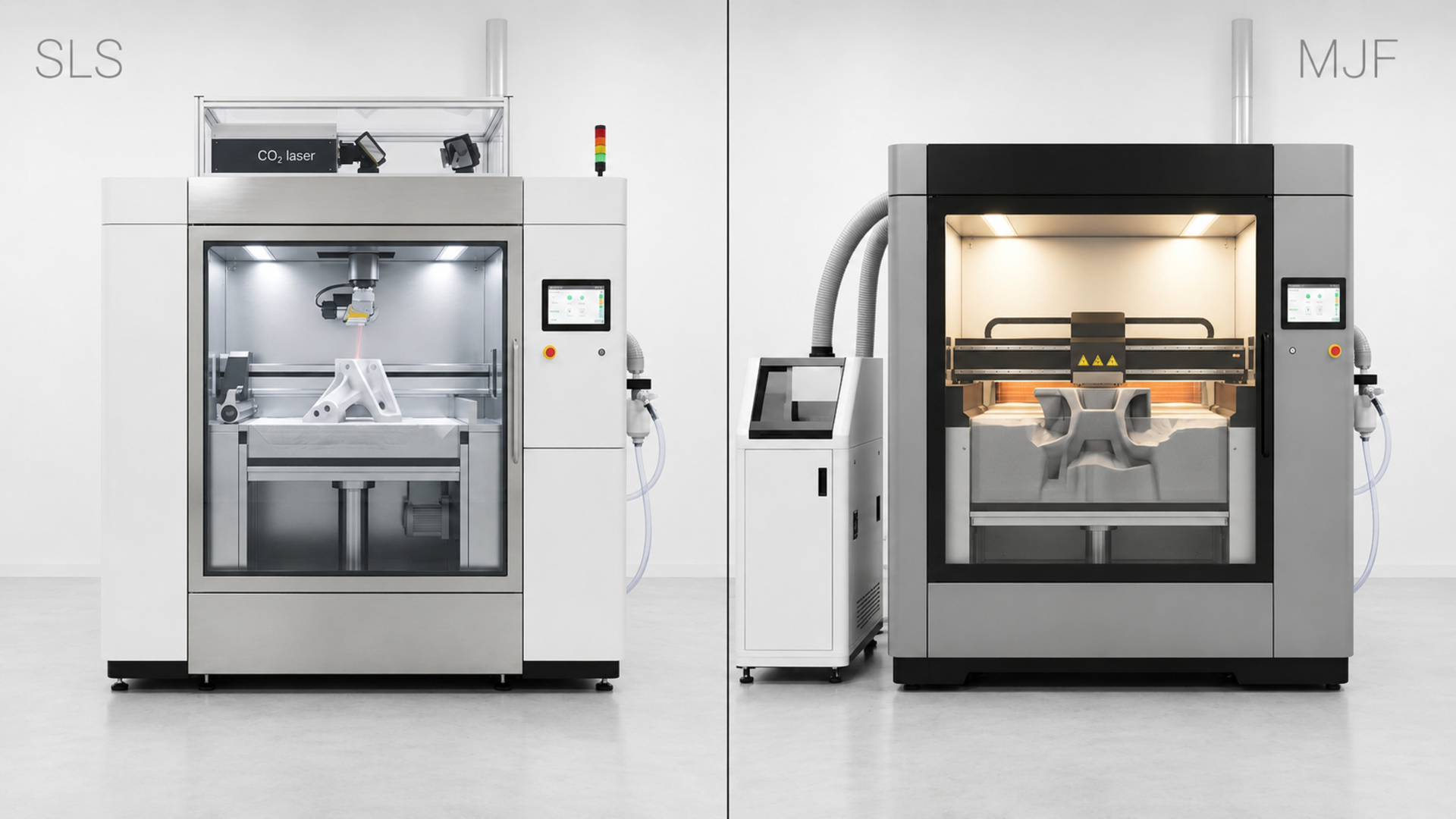
This is one of the most common questions in B2B product development, but there is no universal response. It all comes down to your manufacturing goals, component size, material, surface finish, and lead time.
In this article, we will compare two leading powder-bed fusion technologies, Selective Laser Sintering (SLS) and Multi Jet Fusion (MJF), and outline the criteria for choosing between SLS vs MJF 3D printing services.
Will Your Parts Survive The Elements? 3D Printing For Outdoor Use
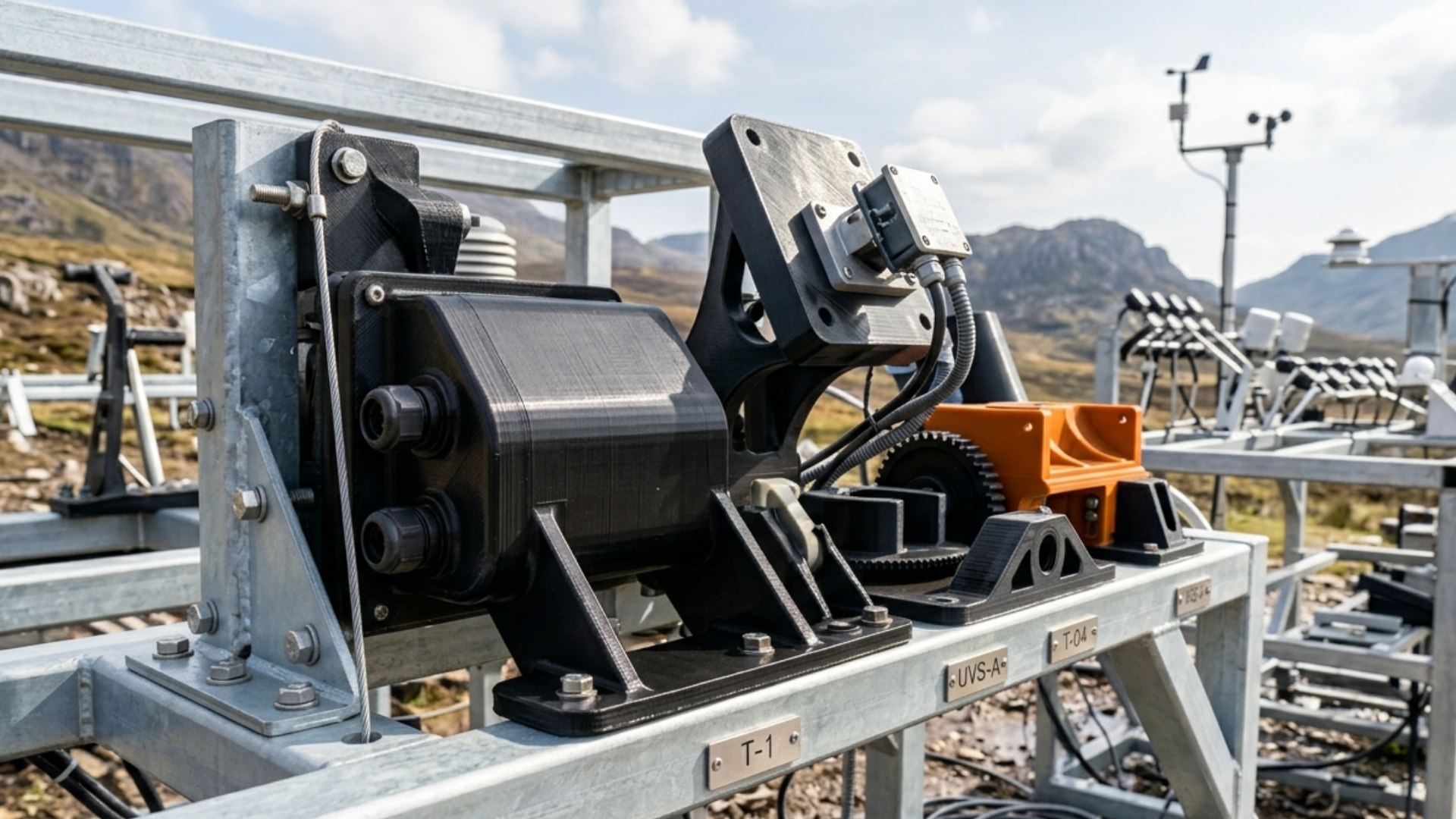
Weather beats down hard on anything left outside. Picking a tough plastic matters most when Plastic 3D Printing Service In Malaysia parts for open-air spots. Instead of guessing, match the job to what each filament can handle.
What To Do When 3D Print Is Slowly Falling Resin
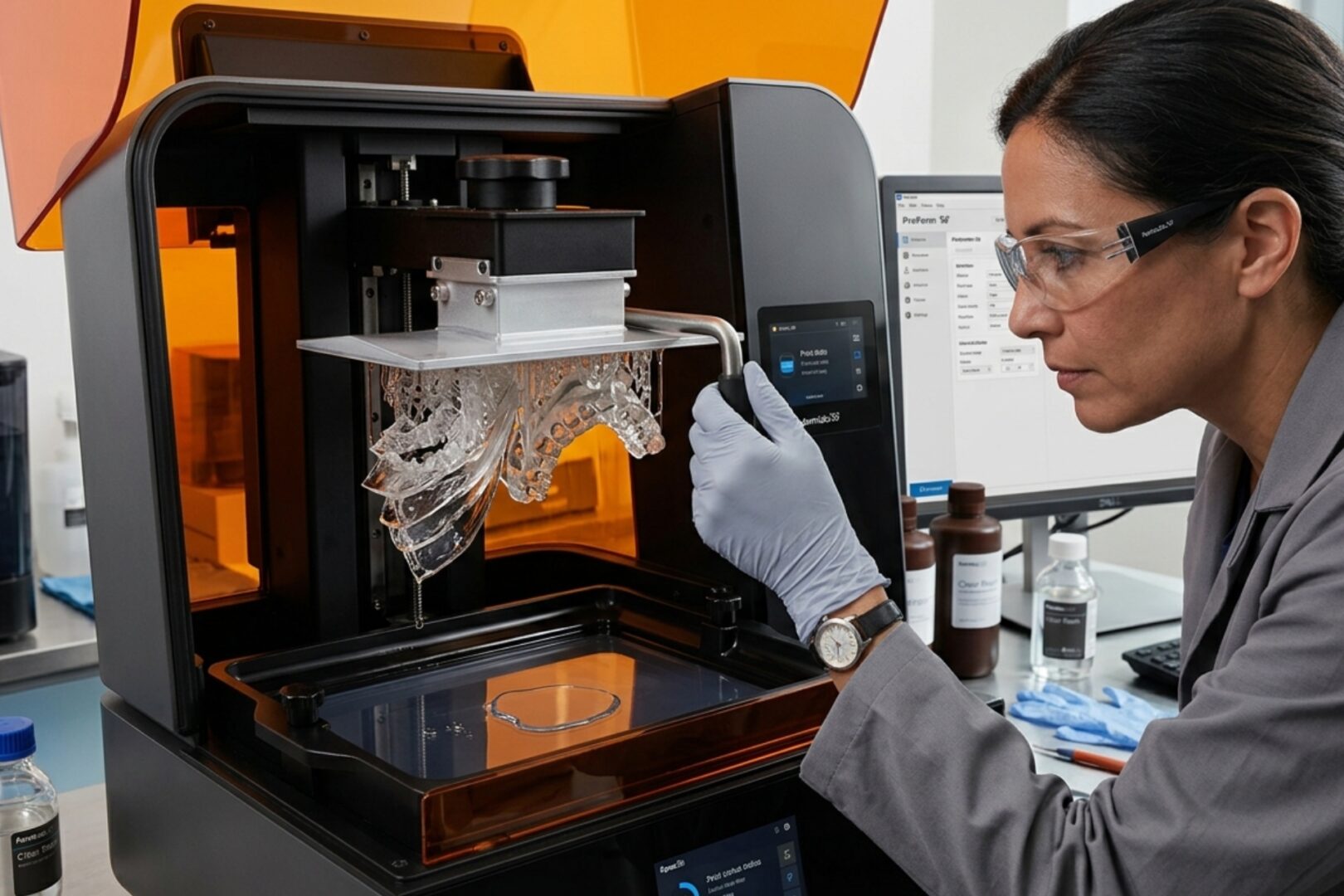
Ever seen this before? You’re definitely not the only one. That quiet, creeping collapse of a layer – yeah, it happens a lot in resin 3D Printing Products in Malaysia. Here’s the thing though – it usually has an answer.
From Prototype to Production: When to Keep 3D Printing and When to Switch to Injection Molding
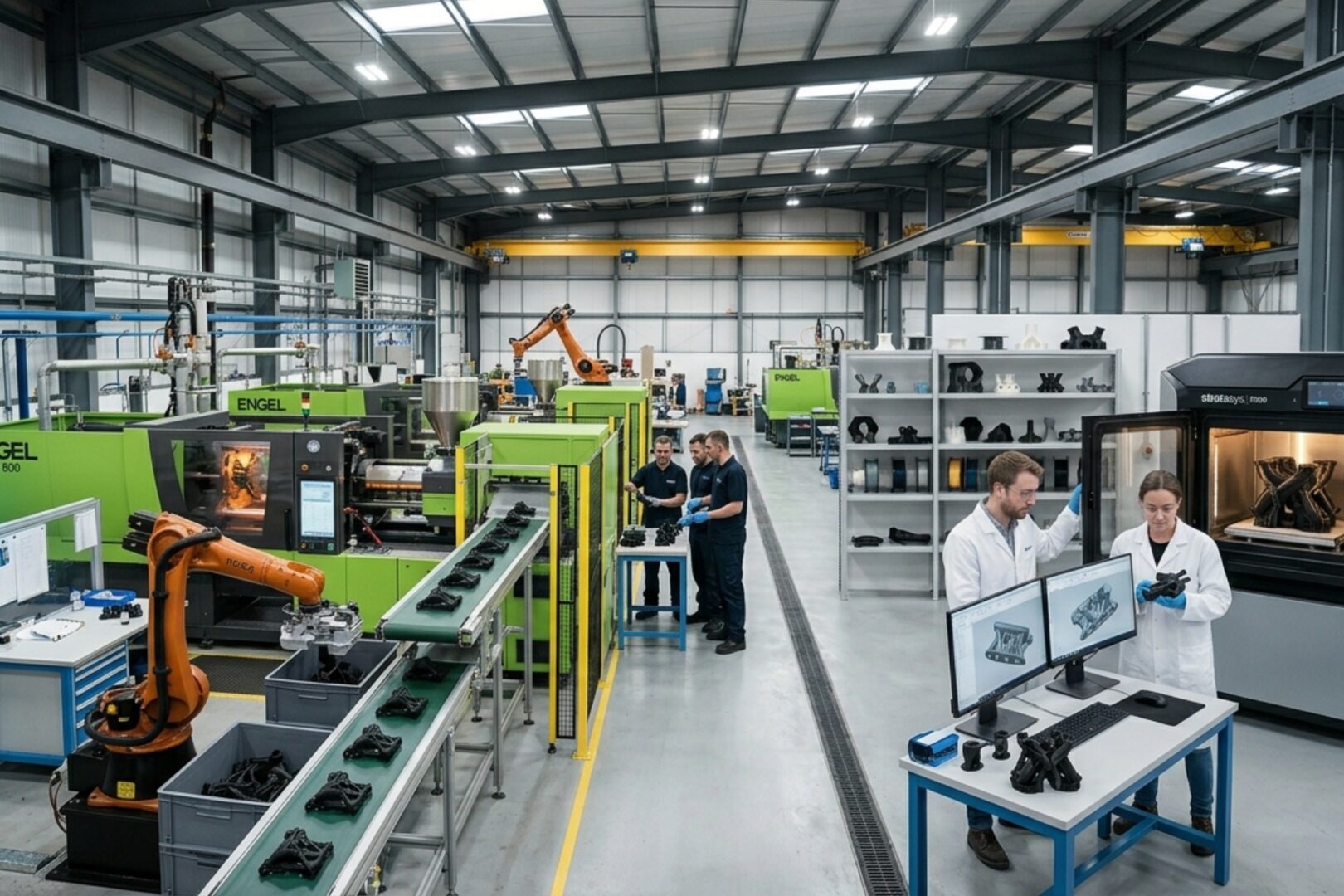
This guide lays out the actual costs, time frames, and key choices when shifting from SLS 3D Printing Service models to large-scale making. If your run is fifty pieces or five thousand, clarity on the best way forward comes into view here.